What Is a Supernova? The Biggest Explosions in Space
A supernova is a star blowing itself apart. Not a little flicker or a slow fade. A full-on explosion so powerful it briefly outshines an entire galaxy of hundreds of billions of stars. For a few weeks, one dying star pumps out more energy than our Sun will produce in its entire 10-billion-year lifetime. These explosions seed the universe with heavy elements like iron, gold, and oxygen. The calcium in your bones and the iron in your blood were forged inside a star that went supernova billions of years ago. So yeah, you are literally made of exploded star stuff. Here is everything you should know about the most violent events in the known universe.
How Does a Supernova Happen?
Stars spend most of their lives in a balancing act. Nuclear fusion in the core pushes outward. Gravity pulls inward. As long as fusion keeps running, the star stays stable. But massive stars burn through their fuel fast. A star 20 times heavier than our Sun might only live 10 million years, compared to the Sun's 10 billion. When a massive star exhausts its hydrogen, it starts fusing helium. Then carbon. Then neon, oxygen, silicon. Each new fuel burns faster than the last. Silicon fusion lasts about one day. The final product is iron, and iron is a dead end. Fusing iron does not release energy. It absorbs it. Once the core fills with iron, there is nothing left to push back against gravity. The core collapses in less than a second, falling inward at roughly a quarter of the speed of light. The outer layers slam into the rebounding core and get blasted into space at 10,000 to 30,000 kilometers per second. That shockwave is the supernova.
Two Main Types of Supernovae
Astronomers split supernovae into two broad categories based on what triggers them. Type II supernovae are the core-collapse kind described above. A massive star runs out of fuel, its core implodes, and the outer layers get ejected. These only happen to stars at least 8 times more massive than the Sun. Their light curves show hydrogen lines in their spectra, because the star still had a hydrogen envelope when it exploded. Type I supernovae lack hydrogen lines. The most important subtype is Type Ia. These happen in binary star systems where a white dwarf steals matter from a companion star. When the white dwarf reaches about 1.4 times the Sun's mass (called the Chandrasekhar limit), it can no longer support itself and detonates in a thermonuclear explosion. Type Ia supernovae are remarkably consistent in brightness, which is why astronomers use them as 'standard candles' to measure cosmic distances. They helped prove that the expansion of the universe is accelerating, a discovery that won the 2011 Nobel Prize in Physics.
What Causes a Star to Go Supernova?
Mass is the key factor. Only stars above about 8 solar masses have enough gravitational pressure to fuse elements all the way to iron and trigger a core collapse. Smaller stars die more peacefully. A star like our Sun will eventually swell into a red giant, shed its outer layers, and leave behind a white dwarf. No explosion, no supernova. The Sun does not have enough mass to collapse its core. For Type Ia supernovae, the trigger is different. A white dwarf in a binary system slowly accumulates matter from its companion. Think of it like filling a balloon past its limit. Once the white dwarf hits 1.4 solar masses, carbon and oxygen in its core ignite in a runaway fusion reaction. The entire star is destroyed in the blast. Nothing remains. No neutron star, no black hole. Just an expanding cloud of debris.
Famous Supernovae Throughout History
Humans have been watching supernovae for at least 2,000 years, even before they knew what they were seeing. In 185 AD, Chinese astronomers recorded a 'guest star' that appeared suddenly and stayed visible for eight months. Modern astronomers identified the remnant as RCW 86, about 8,000 light-years away. The Crab Nebula supernova of 1054 AD was bright enough to see during the daytime. Chinese and Japanese astronomers documented it. Native Americans in the Southwest may have recorded it too, based on rock art found in Chaco Canyon. Tycho's supernova in 1572 and Kepler's supernova in 1604 both shook European astronomy. They proved that the heavens were not unchanging, challenging the dominant belief that everything beyond the Moon was permanent. SN 1987A, spotted on February 23, 1987, was the closest supernova observed in modern times. It exploded in the Large Magellanic Cloud, about 168,000 light-years away. It was the first supernova visible to the naked eye since 1604 and gave astronomers their first chance to study a supernova with modern telescopes.
What Does a Supernova Leave Behind?
When a massive star explodes, the core does not just vanish. What remains depends on how much mass is left after the blast. If the core remnant weighs between about 1.4 and 3 solar masses, it becomes a neutron star. A neutron star is absurdly dense. Imagine cramming the mass of the Sun into a sphere about 20 kilometers across. A teaspoon of neutron star material would weigh roughly 6 billion tons on Earth. Some neutron stars spin hundreds of times per second and shoot beams of radiation from their poles. We call those pulsars. If the core remnant exceeds about 3 solar masses, nothing can stop the collapse. It becomes a black hole. Around the collapsed core, the ejected material forms a supernova remnant, a glowing cloud of gas expanding into space at thousands of kilometers per second. The Crab Nebula is one famous example. These remnants can remain visible for tens of thousands of years.
How Bright Is a Supernova?
A supernova at peak brightness can outshine its entire host galaxy. That means one exploding star, for a few weeks, produces more visible light than 100 billion stars combined. In absolute terms, a typical Type Ia supernova reaches a peak luminosity of about 5 billion times the brightness of our Sun. Type II supernovae are slightly dimmer but still staggeringly bright. The brightest supernova ever recorded was ASASSN-15lh in 2015, which peaked at about 570 billion times the Sun's luminosity. Astronomers are still debating if it was actually a supernova or a tidal disruption event. From Earth, the apparent brightness depends on distance. SN 1006, which exploded about 7,200 light-years away, was likely the brightest stellar event ever witnessed by humans. It was bright enough to cast shadows at night and was visible during the day for weeks.
Could a Supernova Destroy Earth?
A supernova would need to happen within about 50 light-years of Earth to pose a serious danger. At that range, the blast of X-rays and gamma rays could strip away part of the ozone layer, exposing life to harmful ultraviolet radiation. Some scientists think a nearby supernova about 2.6 million years ago may have contributed to a minor extinction event on Earth. The evidence comes from traces of iron-60, a radioactive isotope produced in supernovae, found in ocean sediment layers from that period. The good news? No star close enough to threaten Earth is anywhere near going supernova. Betelgeuse, the most famous 'about to explode' star, is roughly 700 light-years away. Even when it finally goes, it will be a spectacular sight in the sky but completely harmless. You would be able to see it during the daytime for a few weeks. That is it.
Will Betelgeuse Go Supernova Soon?
Betelgeuse is a red supergiant in the constellation Orion, about 700 light-years from Earth. It has already burned through its hydrogen and helium fuel and is fusing heavier elements. Astronomers estimate it will explode as a Type II supernova sometime in the next 100,000 years. In late 2019, Betelgeuse suddenly dimmed to about 36% of its normal brightness, sparking headlines about an imminent explosion. The actual cause turned out to be a combination of a natural pulsation cycle and a dust cloud ejected by the star partially blocking our view. When Betelgeuse does finally go, it will be an incredible spectacle. It would reach roughly the brightness of a half Moon and be visible during the day for several months. At night, it would cast visible shadows. Astronomers would detect the neutrino burst hours before the visible light arrived, giving observatories around the world time to point every telescope at Orion.
Supernovae Created the Elements You Are Made Of
Stars like our Sun can fuse hydrogen into helium and produce a few heavier elements. But the really heavy stuff, everything from iron to uranium, requires the extreme conditions inside a supernova. During the explosion, temperatures and pressures spike so high that neutrons slam into atomic nuclei, building heavier and heavier elements in fractions of a second. This process, called rapid neutron capture (the r-process), creates about half of all elements heavier than iron. Gold, platinum, iodine, uranium, all of them were forged in supernovae or neutron star collisions. The supernova then scatters these elements across space, where they mix into clouds of gas and dust. Eventually, gravity pulls those clouds together to form new stars and planets. Our solar system formed from a cloud enriched by multiple supernovae. Every atom of iron in your blood, every bit of calcium in your bones, every trace of gold in your jewelry was once inside a star that exploded. Carl Sagan said it best: we are star stuff.
How Do Astronomers Detect Supernovae?
Professional and amateur astronomers discover new supernovae constantly. About 20 to 30 supernovae are observed every year in the Milky Way's neighboring galaxies. In our own galaxy, the rate is estimated at about 1 to 2 per century, but dust in the galactic plane blocks our view of most of them. Modern automated sky surveys like the Zwicky Transient Facility and the upcoming Vera C. Rubin Observatory scan the entire visible sky every few nights, comparing new images to old ones. Any new bright dot that was not there before gets flagged for follow-up. Neutrino detectors like Super-Kamiokande in Japan and IceCube at the South Pole can detect the burst of neutrinos from a galactic supernova hours before the light arrives. This early warning system, called SNEWS (SuperNova Early Warning System), would alert astronomers worldwide to point their telescopes and catch the explosion from the very first moment.
Stars to explore
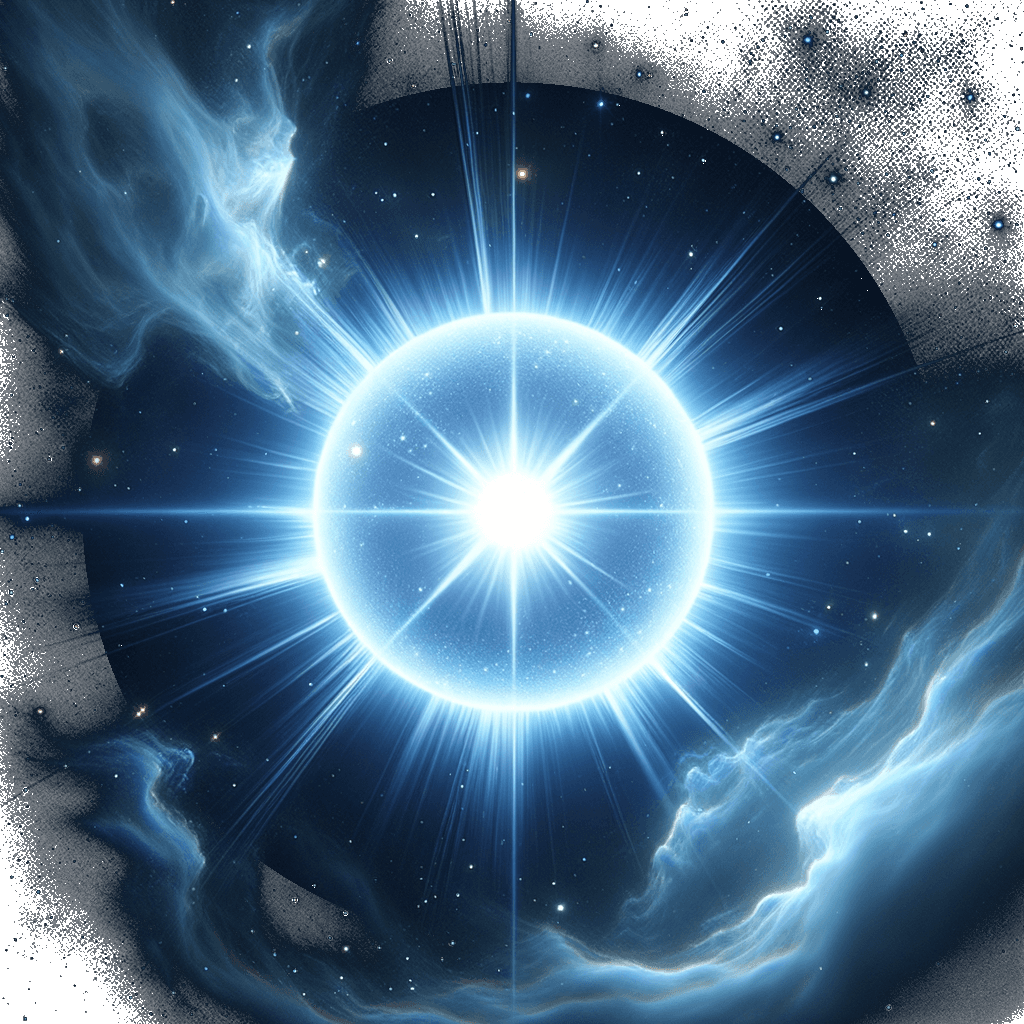
Sirius
The brightest star in the night sky. Sirius is a dazzling blue-white star just 8.6 light-years away. Ancient Egyptians built their calendar around it.
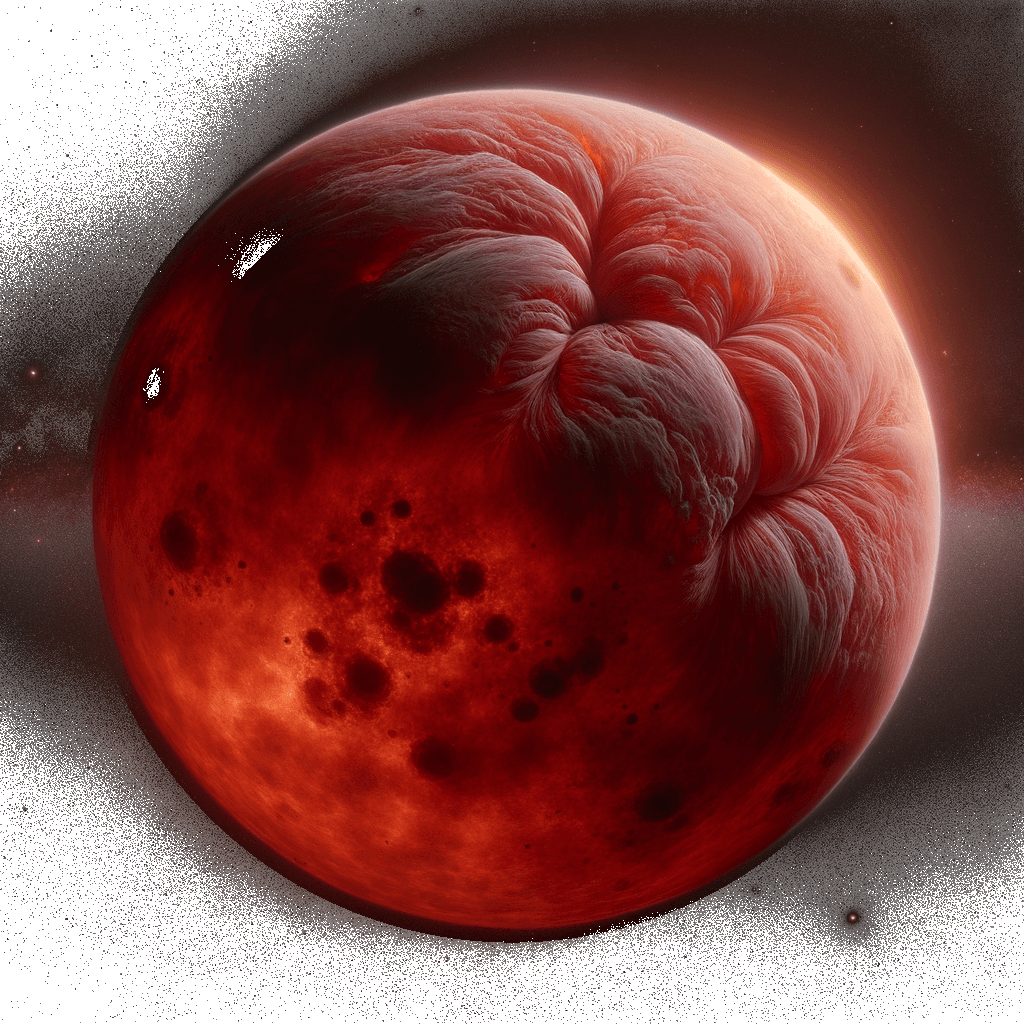
Betelgeuse
A red supergiant that could explode as a supernova any day now. Betelgeuse is so massive that if it replaced our Sun, it would swallow Mars.
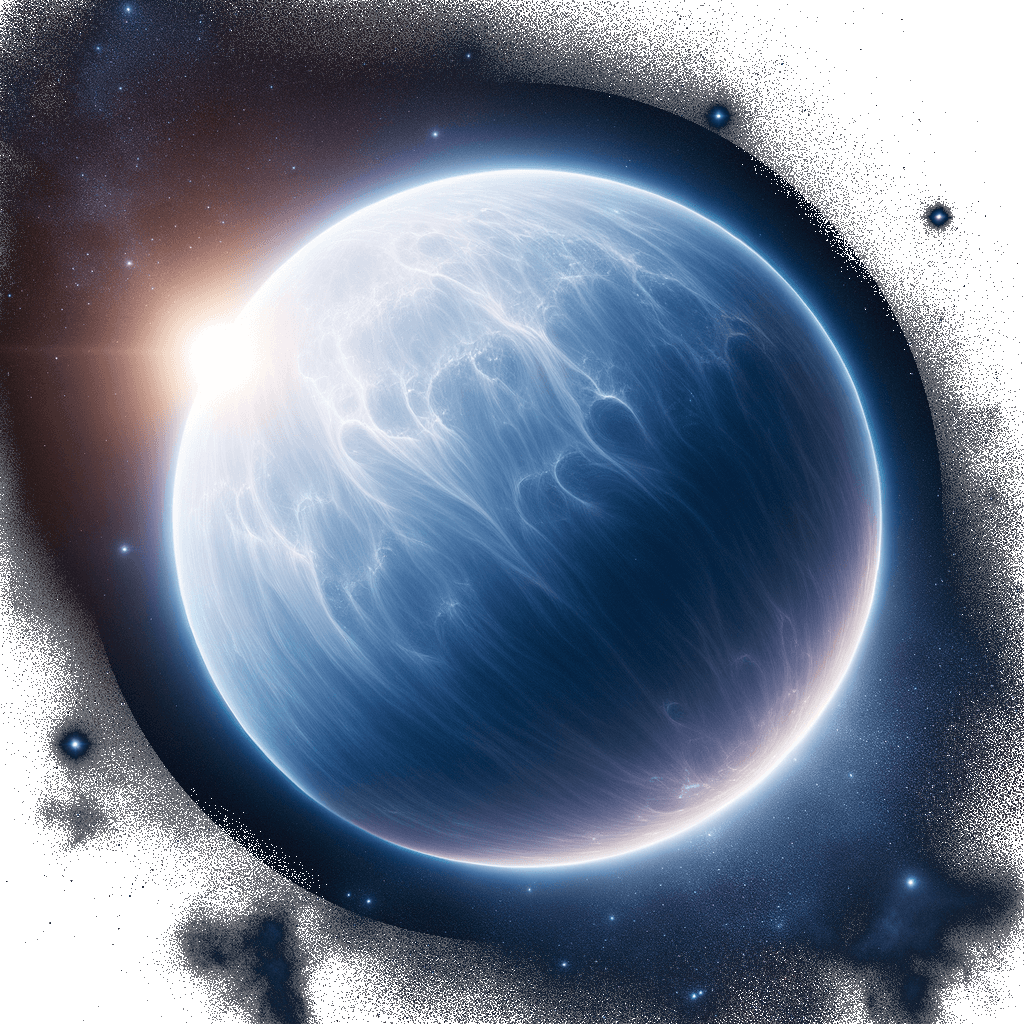
Rigel
A blue supergiant in Orion that shines 120,000 times brighter than our Sun. If you could see it up close, it would be blindingly beautiful.
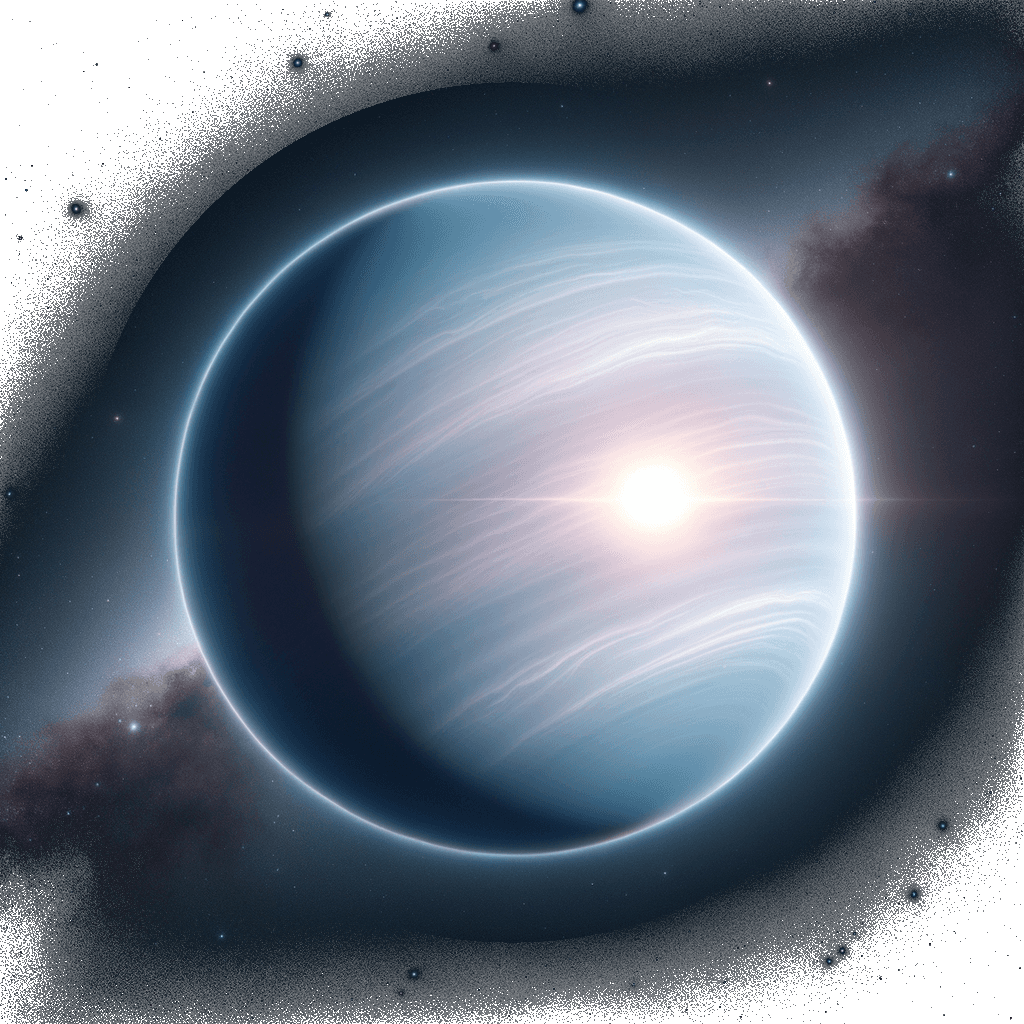
Vega
One of the brightest stars you can see from Earth. Vega was the first star ever photographed (back in 1850) and the first to have its spectrum recorded.
Related articles & guides
Fascinated by supernovae? Explore our planets page to browse our catalog. You can also buy a star as a gift. Learn what a black hole is and about the different types of stars. Discover the largest star in the universe. Got questions? Check our FAQ.
Name a Star Before It Goes Supernova
Every star in the sky has a story. Give one a personal chapter by naming it after someone you love. Real star, real NASA data, personalized certificate delivered instantly for $24.99.
Name a starFrequently asked questions
What is a supernova in simple terms?
A supernova is the explosion of a star. When a massive star runs out of fuel, its core collapses and the outer layers blast into space. It is the largest type of explosion that occurs in space.
Can you see a supernova from Earth?
Yes. Historical supernovae in our own galaxy were visible to the naked eye, some even during daytime. Supernovae in other galaxies can be seen with small telescopes. The last naked-eye supernova was SN 1987A in the Large Magellanic Cloud.
How often do supernovae happen?
In a galaxy the size of the Milky Way, roughly 1 to 2 supernovae occur per century. Across the observable universe, a supernova goes off somewhere about once every second.
What is the difference between a nova and a supernova?
A nova is a smaller explosion on the surface of a white dwarf that does not destroy the star. A supernova is far more powerful, either destroying the star completely or collapsing its core into a neutron star or black hole. A supernova can be billions of times brighter than a nova.
Will our Sun go supernova?
No. Our Sun does not have enough mass to go supernova. It will eventually expand into a red giant in about 5 billion years, shed its outer layers as a planetary nebula, and leave behind a white dwarf. You need at least 8 solar masses for a core-collapse supernova.
Got Questions?
Here's everything you need to know about buying a planet
Here's the deal: this is symbolic ownership. Nobody can legally own a planet (there's actually a UN treaty about it). But what you DO get is a gorgeous personalized certificate with real astronomical data and a unique registration number. Think of it as the most original gift you can possibly give someone.
The planet's real name, your personalized owner name, a custom message if you want one, a unique registration number, and the date. It's designed to look premium enough to frame and hang on a wall.
It shows up in your email as a PDF within a few minutes of buying. You can print it at home, take it to a print shop for a nicer version, or just share it digitally. Simple.
People go crazy for it. We've sold over 3,247 planets so far and we get messages all the time from people saying it's the best gift they've ever received. It works for birthdays, Valentine's Day, Christmas, weddings, new babies... pretty much any occasion.
100%. Every planet in our catalog is a real celestial body discovered by NASA, ESA, or other space agencies. We don't make anything up. The data on your certificate comes from confirmed scientific discoveries.
No problem. You've got 30 days to change your mind. Just email us at ethan@buymyplanet.com and we'll sort it out.
Yes! We sell both planets and stars. Stars are beautiful and classic. Planets are full worlds with their own characteristics, categories, and stories. Both come with a personalized certificate and real astronomical data. Pick what fits best, or get both.
Yep! Each certificate gets its own unique registration number. It's like naming a star. The ownership is personal to you, and your certificate is one of a kind.
Right now we do instant digital PDF certificates. You can print them at home or at any print shop. We're working on framed physical versions that'll ship to your door. Stay tuned.
Totally. Symbolic planet ownership is a novelty gift, kind of like star naming services. The 1967 Outer Space Treaty says no country can claim a planet, but personalized certificates are perfectly fine. It's a beloved gift worldwide.
BuyMyPlanet offers symbolic naming certificates. We do not sell actual ownership rights to celestial bodies. Astronomical data is sourced from public NASA databases.