C'est quoi une exoplanète ? Guide des mondes au-delà du Soleil
Une exoplanète, c'est tout simplement une planète qui tourne autour d'une étoile autre que notre Soleil. Définition simple, mais la réalité derrière est dingue. En 2026, les astronomes ont confirmé plus de 5 700 exoplanètes, et ils estiment qu'il pourrait y en avoir des milliers de milliards rien que dans notre galaxie. Certaines sont des géantes gazeuses brûlantes. D'autres pourraient avoir des océans. Quelques-unes pourraient même abriter la vie. Voici tout ce qu'il faut savoir sur ces mondes lointains.
Définition : qu'est-ce qu'une exoplanète exactement ?
Le mot exoplanète vient du préfixe grec 'exo', qui signifie extérieur. C'est donc littéralement une planète extérieure à notre système solaire. Notre système solaire compte huit planètes en orbite autour du Soleil. Toute autre planète dans l'univers qui tourne autour d'une étoile différente est une exoplanète. Avant 1992, on n'en avait confirmé aucune. Les scientifiques soupçonnaient leur existence, mais sans preuve. Puis deux astronomes, Aleksander Wolszczan et Dale Frail, ont détecté des planètes autour d'un pulsar (une étoile morte qui émet des faisceaux de radiation). Pas vraiment le genre d'endroit où tu voudrais passer tes vacances, mais ça prouvait que des planètes existaient au-delà de notre petit coin d'espace.
Comment les scientifiques trouvent-ils des exoplanètes ?
On ne peut pas juste pointer un télescope vers une étoile et voir les planètes autour. Les étoiles sont aveuglantes, et les planètes sont minuscules et sombres en comparaison. Alors les scientifiques utilisent des astuces ingénieuses. La méthode la plus efficace s'appelle la méthode des transits. Quand une planète passe devant son étoile de notre point de vue, elle bloque une infime fraction de la lumière. Le télescope Kepler de la NASA a utilisé cette méthode pour trouver plus de 2 600 exoplanètes entre 2009 et 2018. Une autre technique populaire est la vitesse radiale, parfois appelée méthode de l'oscillation. La gravité d'une planète tire légèrement sur son étoile, la faisant osciller. En mesurant cette oscillation, les scientifiques peuvent déduire la présence d'une planète et estimer sa masse. L'imagerie directe est la méthode la plus rare. Quelques télescopes ont photographié des exoplanètes, mais seulement les plus grosses. C'est comme essayer de repérer une luciole à côté d'un projecteur à mille kilomètres de distance.
Les différents types d'exoplanètes
Les exoplanètes, il y en a de toutes les tailles. Les géantes gazeuses comme Jupiter et Saturne sont les plus faciles à détecter parce qu'elles sont énormes. Les Jupiter chaudes sont des géantes gazeuses qui orbitent très près de leur étoile, bouclant une année en quelques jours seulement. Certaines ont des températures de surface supérieures à 1 000 degrés Celsius. Les super-Terres sont des planètes rocheuses plus grosses que la Terre mais plus petites que Neptune. Elles n'existent pas dans notre système solaire, ce qui les rend particulièrement intéressantes. Certaines pourraient avoir des atmosphères épaisses et de l'eau liquide. Les mini-Neptunes se situent entre les super-Terres et Neptune, enveloppées de couches d'hydrogène et d'hélium. Et puis il y a les planètes telluriques rocheuses, similaires à la Terre, Mars ou Vénus. Ce sont celles qui excitent tout le monde parce qu'elles sont les candidates les plus probables pour la vie.
La zone habitable : là où la vie pourrait exister
La zone habitable (parfois appelée zone Boucles d'Or) est la région autour d'une étoile où les températures sont idéales pour que l'eau liquide existe à la surface d'une planète. Ni trop chaud, ni trop froid. La Terre se trouve pile au milieu de la zone habitable du Soleil. Trouver des exoplanètes dans la zone habitable, c'est un gros coup parce que l'eau liquide est considérée comme essentielle à la vie telle qu'on la connaît. Le système TRAPPIST-1 est un super exemple. Cette naine rouge, à environ 40 années-lumière de la Terre, possède sept planètes de la taille de la Terre. Trois d'entre elles se trouvent dans la zone habitable. Le télescope spatial James Webb étudie actuellement leurs atmosphères, cherchant de la vapeur d'eau, du dioxyde de carbone et d'autres signes potentiels de vie.
Des exoplanètes célèbres à connaître
Certaines exoplanètes sont devenues de vraies célébrités dans le monde de l'astronomie. 51 Pegasi b a été la première exoplanète trouvée autour d'une étoile similaire au Soleil, en 1995. Sa découverte a remporté le prix Nobel de physique en 2019. Kepler-452b est parfois surnommée la cousine de la Terre. Elle orbite autour d'une étoile similaire au Soleil à peu près à la même distance, et son année dure 385 jours. Proxima Centauri b est l'exoplanète connue la plus proche, en orbite autour de l'étoile la plus proche du Soleil à seulement 4,2 années-lumière. Elle se trouve dans la zone habitable, ce qui en fait une cible prioritaire pour de futures études. WASP-76b est l'une des plus dingues. Il fait tellement chaud côté jour que le fer se vaporise, puis il pleut du fer liquide côté nuit. Et K2-18 b a fait les gros titres quand le James Webb a détecté des traces d'une molécule qui sur Terre n'est produite que par des organismes vivants.
Combien d'exoplanètes ont été découvertes ?
Le compteur ne s'arrête pas. Début 2026, les astronomes ont confirmé plus de 5 700 exoplanètes. Mais ce chiffre n'est que la partie émergée de l'iceberg. La mission TESS de la NASA (Transiting Exoplanet Survey Satellite), lancée en 2018, a identifié des milliers de candidates supplémentaires en attente de confirmation. Les scientifiques estiment que presque chaque étoile de la Voie lactée possède au moins une planète. Avec environ 100 à 400 milliards d'étoiles dans notre galaxie, ça fait un nombre vertigineux de mondes. Et ce n'est qu'une seule galaxie. L'univers observable contient environ deux mille milliards de galaxies. Le calcul devient vite absurde.
Le télescope James Webb et la recherche d'exoplanètes
Le télescope spatial James Webb (JWST), lancé en décembre 2021, a tout changé pour la science des exoplanètes. Contrairement à Kepler, qui trouvait principalement des planètes, le JWST peut étudier de quoi ces planètes sont faites. Il le fait en analysant la lumière stellaire qui traverse l'atmosphère d'une planète pendant un transit. Différentes molécules absorbent différentes longueurs d'onde, ce qui permet aux scientifiques d'identifier la vapeur d'eau, le dioxyde de carbone, le méthane et d'autres gaz. En 2023, le JWST a détecté du dioxyde de carbone dans l'atmosphère de WASP-39 b, marquant la première détection claire de CO2 sur une exoplanète. Il a depuis étudié des dizaines d'atmosphères d'exoplanètes. Le télescope aide aussi les scientifiques à comprendre comment les planètes se forment et évoluent.
Y a-t-il de la vie sur des exoplanètes ?
C'est la question à mille milliards. Franchement, personne ne sait encore. Mais les conditions semblent plus prometteuses que ce que les scientifiques imaginaient il y a même dix ans. Les ingrédients de base sont là : on a trouvé des exoplanètes avec de l'eau, les bonnes plages de température et des surfaces potentiellement rocheuses. L'équation de Drake, une formule créée en 1961 pour estimer le nombre de civilisations communicantes dans notre galaxie, suggère que les probabilités sont étonnamment favorables. Même avec des estimations prudentes, il pourrait y avoir des milliers de planètes abritant une forme de vie. Ça ne veut pas dire des petits hommes verts. Ça pourrait être des microbes, des bactéries, ou quelque chose qu'on ne reconnaîtrait même pas comme de la vie. Mais la recherche avance, et chaque nouvelle découverte réduit le champ des possibles.
Peut-on visiter une exoplanète ?
Pas de sitôt. L'exoplanète la plus proche, Proxima Centauri b, est à 4,2 années-lumière. Avec la technologie actuelle de nos fusées, y arriver prendrait environ 73 000 ans. Pas exactement une escapade de week-end. Le projet Breakthrough Starshot travaille sur de minuscules vaisseaux à voile lumineuse qui pourraient théoriquement atteindre 20 % de la vitesse de la lumière, réduisant le trajet vers Proxima Centauri à environ 20 ans. Mais cette technologie en est encore aux balbutiements. Pour l'instant, la meilleure façon de se connecter à ces mondes lointains, c'est à travers les données. Chaque exoplanète confirmée a de vraies coordonnées, une vraie distance depuis la Terre et de vraies données astronomiques. Tu peux les explorer via l'Exoplanet Archive de la NASA, ou créer un lien personnel en en nommant une via BuyMyPlanet.
Comment les exoplanètes sont-elles nommées ?
Les noms d'exoplanètes sont généralement assez ennuyeux. Ils suivent un système : le nom de l'étoile plus une lettre minuscule. La première planète trouvée reçoit 'b', la deuxième 'c', et ainsi de suite. Donc Kepler-452b est la première planète trouvée autour de l'étoile Kepler-452. Mais l'Union astronomique internationale (UAI) organise parfois des campagnes de nomination publiques. En 2019, le projet NameExoWorlds a permis à des gens de 112 pays de voter pour des noms d'exoplanètes et de leurs étoiles. Certaines ont reçu des noms issus de la mythologie, de l'histoire ou de langues autochtones. Si tu veux quelque chose de plus personnel, tu peux nommer symboliquement une planète via BuyMyPlanet et recevoir un certificat avec ses vraies données astronomiques pour 24,99 $.
Pourquoi les exoplanètes comptent pour l'humanité
Étudier les exoplanètes, ce n'est pas juste satisfaire notre curiosité, même si c'est une raison tout à fait valable. La recherche sur les exoplanètes nous apprend des choses sur notre propre planète. En comparant la Terre à des milliers d'autres mondes, les scientifiques comprennent mieux ce qui rend notre planète spéciale et quelles conditions sont nécessaires à la vie. Ça nous force aussi à penser à long terme. La Terre ne sera pas habitable pour toujours. Dans environ cinq milliards d'années, le Soleil grossira et engloutira les planètes intérieures. Si l'humanité survit jusque-là, il nous faudra un autre endroit. Comprendre ce qui existe là-haut, c'est la première étape. Et sur un plan plus immédiat, la recherche sur les exoplanètes fait avancer la technologie. Les instruments construits pour étudier des mondes lointains finissent par être utilisés en médecine, en télécommunications et dans d'autres domaines.
Exoplanètes à explorer
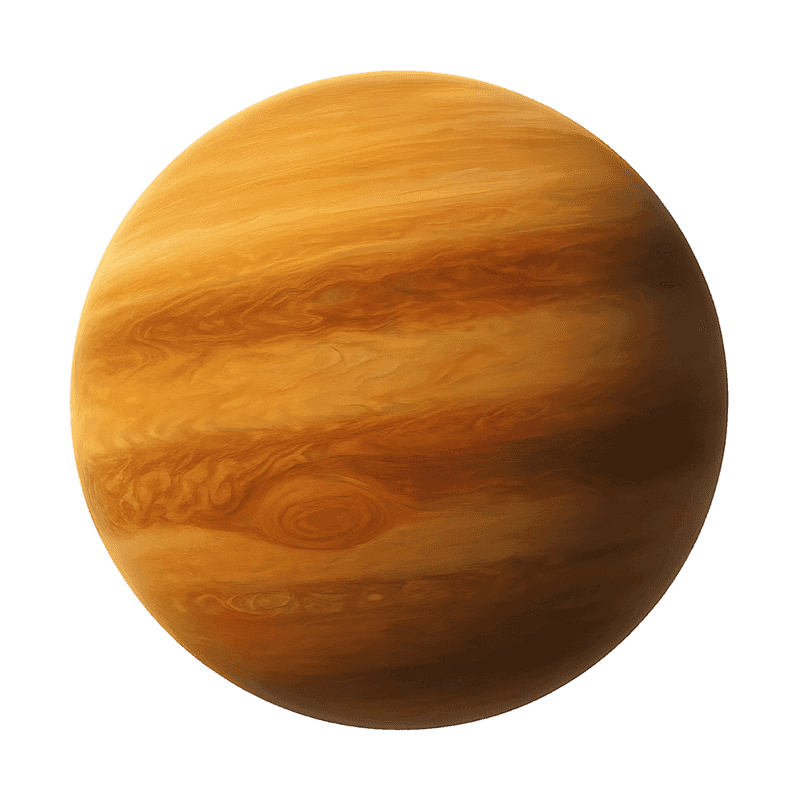
51 Peg b
Un géant gazeux brûlant baigné dans le rayonnement féroce de son étoile ardente.
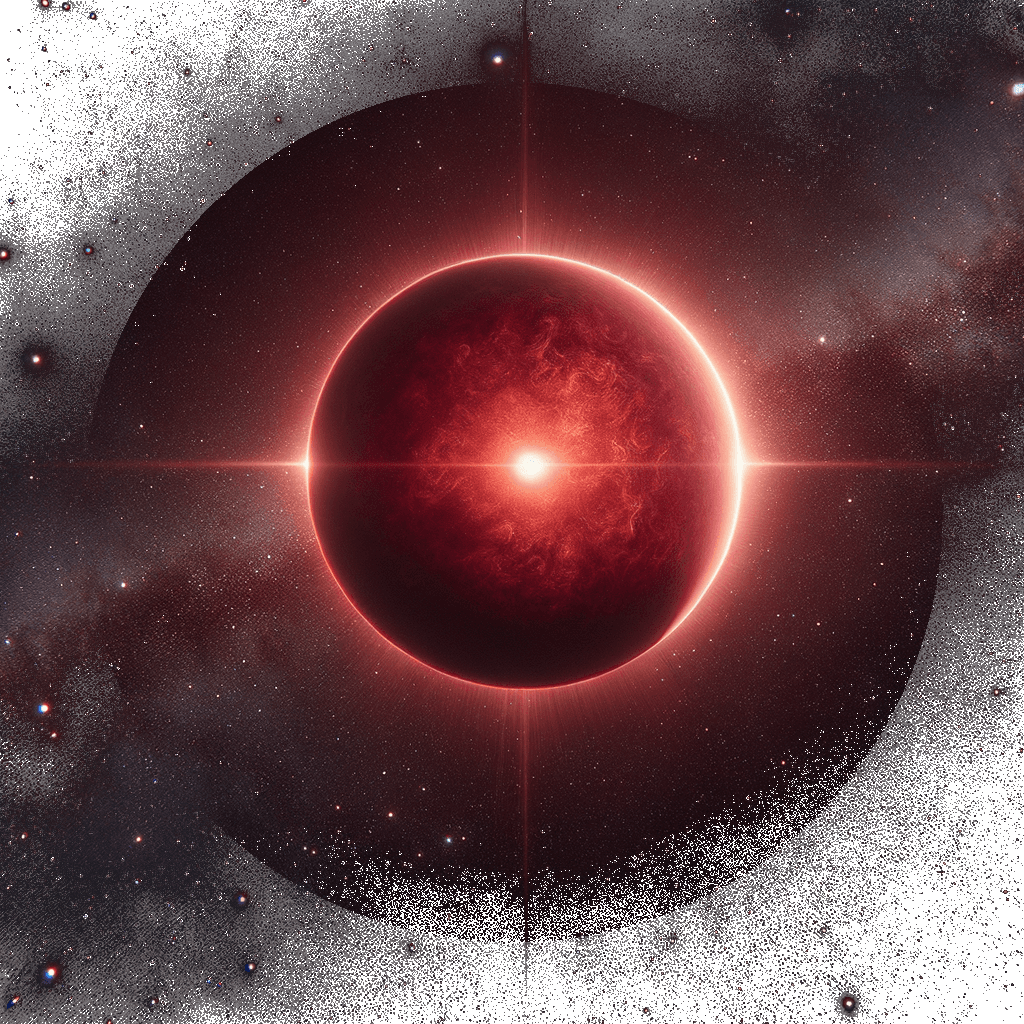
Proxima Centauri
L'étoile la plus proche de notre Soleil, à seulement 4,24 années-lumière. Proxima Centauri est une petite naine rouge. Si on voyage un jour vers une autre étoile, ce sera probablement celle-ci.
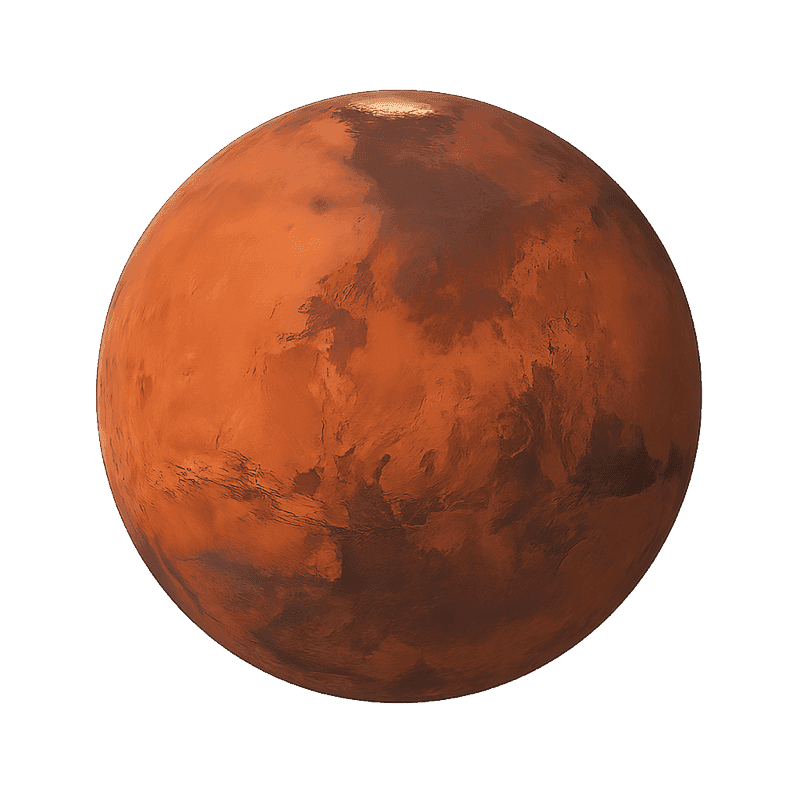
Mars
La planète rouge — un monde désertique froid et poussiéreux qui a peut-être abrité d'anciennes rivières et lacs.
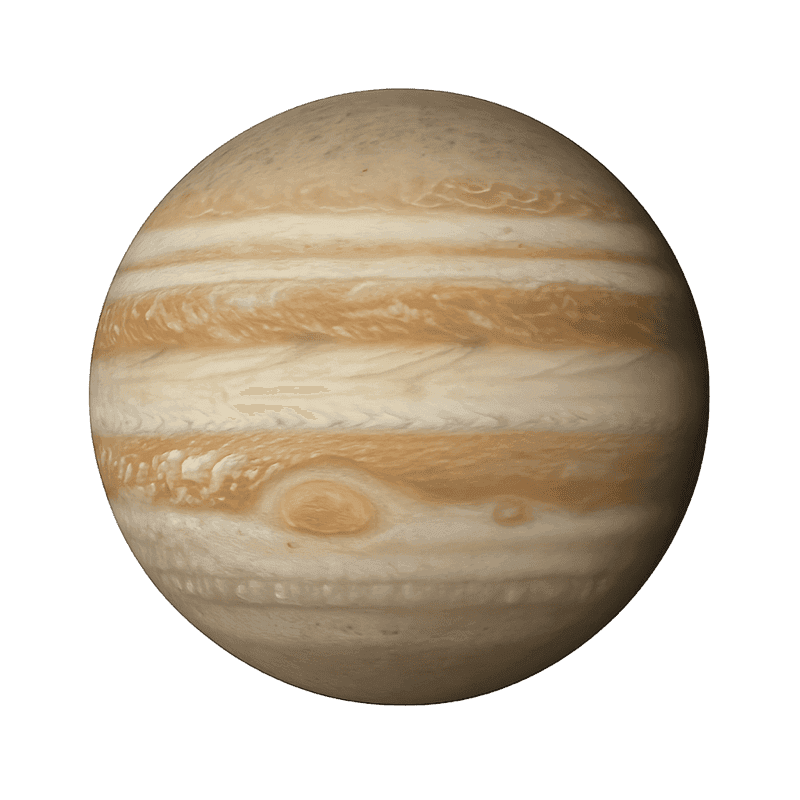
Jupiter
Le roi des planètes — un colossal géant gazeux dont la Grande Tache Rouge fait rage depuis des siècles.
Articles et guides associés
Envie d'aller plus loin ? Découvre notre page planètes pour explorer tout notre catalogue. Tu peux aussi acheter une étoile comme cadeau. Tu te demandes si on peut acheter une planète ? Découvre aussi comment sont nommées les étoiles et les étoiles les plus brillantes du ciel. Explore aussi les constellations célèbres. Apprends combien d'étoiles existent. Découvre quelle est la taille de l'univers. Plein de faits sur le système solaire. Découvre si Pluton est une planète. Explore la question de la vie sur d'autres planètes. Découvre combien de planètes existent. Découvre ce qu'est un trou noir. Pour toutes tes questions, direction notre FAQ.
Questions fréquentes
C'est quoi une exoplanète en termes simples ?
Une exoplanète, c'est une planète qui orbite autour d'une étoile autre que notre Soleil. Plus de 5 700 ont été confirmées en 2026.
Combien d'exoplanètes a-t-on découvertes ?
Plus de 5 700 exoplanètes confirmées, avec des milliers de candidates en attente. Les scientifiques estiment qu'il pourrait y en avoir des milliers de milliards dans notre galaxie.
Les exoplanètes peuvent-elles abriter la vie ?
Certaines se trouvent dans la zone habitable où l'eau liquide pourrait exister. Le James Webb étudie leurs atmosphères, mais aucune vie n'a encore été confirmée.
Quelle est l'exoplanète la plus proche de la Terre ?
Proxima Centauri b, à 4,2 années-lumière. Elle orbite autour de l'étoile la plus proche du Soleil et se trouve dans la zone habitable.
Peut-on donner un nom à une exoplanète ?
L'UAI nomme officiellement les exoplanètes via des campagnes publiques. Pour un lien personnel, tu peux nommer symboliquement une planète via BuyMyPlanet avec un certificat contenant de vraies données astronomiques pour 24,99 $.
Tu te poses des questions ?
Tout ce qu'il faut savoir sur l'achat d'une planète
Alors voilà le truc : c'est de la propriété symbolique. Personne ne peut légalement posséder une planète (il y a d'ailleurs un traité de l'ONU là-dessus). Mais ce que tu reçois, c'est un super certificat personnalisé avec de vraies données astronomiques et un numéro unique. Pense à ça comme le cadeau le plus original que tu puisses faire.
Le vrai nom de la planète, le nom personnalisé du propriétaire, un message perso si tu veux, un numéro d'enregistrement unique et la date. C'est assez beau pour être encadré et accroché au mur.
Il arrive dans ta boîte mail en PDF quelques minutes après l'achat. Tu peux l'imprimer chez toi, aller dans un magasin photo pour une version plus classe, ou juste le partager en ligne. Facile.
Les gens deviennent fous. On a vendu plus de 3 247 planètes et on reçoit régulièrement des messages de gens qui disent que c'est le meilleur cadeau qu'ils aient jamais reçu. Ça marche pour les anniversaires, la Saint-Valentin, Noël, les mariages, les naissances... à peu près toutes les occasions.
À 100%. Chaque planète de notre catalogue est un vrai corps céleste découvert par la NASA, l'ESA ou d'autres agences spatiales. On n'invente rien. Les données sur ton certificat viennent de découvertes scientifiques confirmées.
Pas de souci. Tu as 30 jours pour changer d'avis. Envoie juste un mail à ethan@buymyplanet.com et on s'en occupe.
Oui ! On vend des planètes et des étoiles. Les étoiles, c'est classique et toujours aussi magique. Les planètes, ce sont des mondes entiers avec leurs propres caractéristiques et histoires. Les deux viennent avec un certificat personnalisé et de vraies données astronomiques. Choisis ce qui te plaît, ou prends les deux.
Oui ! Chaque certificat a son propre numéro d'enregistrement unique. C'est comme nommer une étoile. La propriété est personnelle, et ton certificat est unique en son genre.
Pour l'instant on fait des certificats PDF numériques instantanés. Tu peux les imprimer chez toi ou dans n'importe quel magasin photo. On travaille sur des versions encadrées qui seront livrées chez toi. Ça arrive bientôt.
Complètement. La propriété symbolique de planètes, c'est un cadeau de fantaisie, un peu comme les services qui nomment des étoiles. Le Traité de l'Espace de 1967 dit qu'aucun pays ne peut revendiquer une planète, mais les certificats personnalisés sont tout à fait légaux. C'est un cadeau apprécié dans le monde entier.
Donne ton nom à une vraie planète
Choisis n'importe quelle exoplanète confirmée et reçois un certificat avec de vraies données NASA, les coordonnées et la distance depuis la Terre. À partir de 24,99 $.
Digital product. Symbolic ownership certificate.