How Many Stars Are There? The Mind-Blowing Numbers
Short answer: about 200 billion trillion. That number is so big your brain literally cannot picture it. But how did scientists figure that out when they can't exactly count each one? And how many can you actually see on a clear night? Let's break it down.
How Many Stars Are in the Observable Universe?
Astronomers estimate around 200 sextillion stars exist in the observable universe. Written out, that's 200,000,000,000,000,000,000,000. In scientific notation: roughly 2 x 10^23. The European Space Agency (ESA) came up with this number using a straightforward method. They estimated how many stars are in an average galaxy, then multiplied by the number of galaxies. About 100 billion stars per galaxy, times about 2 trillion galaxies. The result is staggering. To put it in perspective, there are more stars in the universe than grains of sand on every beach on Earth. About ten times more, actually. And this is just the observable universe. The part we can see stretches about 93 billion light-years across. What lies beyond that? Nobody knows. There could be infinitely more stars out there.
How Many Stars Are in the Milky Way Galaxy?
Our home galaxy, the Milky Way, contains somewhere between 100 billion and 400 billion stars. Most estimates settle around 200 billion. Why the huge range? Because most stars in the Milky Way are red dwarfs. These tiny, dim stars make up about 73% of all stars but are too faint to see without a telescope. We can't directly count them all. Instead, astronomers measure the total mass of the galaxy (by studying how it rotates) and then estimate how many stars that mass represents. The Gaia space telescope has cataloged nearly 2 billion objects in the Milky Way so far. That sounds like a lot, but it's only about 1% of the stars in our galaxy. We have a long way to go.
How Many Stars Can You See with the Naked Eye?
On a perfectly clear night, far from city lights, you can see about 4,500 to 5,000 stars with your unaided eyes. In a typical suburb? Maybe 200 to 300. Downtown in a big city? You might count 20 if you're lucky. Light pollution has erased the night sky for about 80% of the world's population. The stars you can see are all inside the Milky Way, and most are within about 1,000 light-years of Earth. That's a tiny neighborhood in galactic terms. The farthest individual star visible to the naked eye is usually cited as Deneb, about 2,600 light-years away, or possibly V762 Cassiopeiae at around 16,000 light-years. The Andromeda Galaxy, 2.5 million light-years away, is visible as a fuzzy smudge, but you're seeing the combined light of a trillion stars, not individual ones.
How Do Astronomers Count Stars They Can't See?
You can't count 200 sextillion of anything one by one. So astronomers use clever indirect methods. The most common approach: measure the total brightness (luminosity) of a galaxy, then divide by the average brightness of a star. That gives a rough star count. Another method uses the galaxy's mass. By studying how fast a galaxy rotates, astronomers can calculate its total mass using gravity equations. Subtract the estimated dark matter and gas, and what's left is roughly the mass in stars. Divide by an average star mass and you get a count. Space telescopes like Gaia have made this much more precise for our own galaxy. Gaia measures the positions, distances, and motions of stars with incredible accuracy. But even Gaia has only cataloged about 2 billion out of 200 billion Milky Way stars. For distant galaxies, we still rely on brightness and mass estimates.
Different Types of Stars in the Universe
Stars come in a surprising range of sizes, colors, and temperatures. Red dwarfs are the most common type, making up roughly 73% of all stars. They're small (about 10-50% the mass of our Sun), cool, and dim. Many could burn for trillions of years. Our Sun is a yellow dwarf, a medium-sized star that's been burning for about 4.6 billion years with roughly 5 billion left to go. Blue giants and supergiants are the rarest but most spectacular. They can be 10 to 100+ times the mass of the Sun and millions of times brighter. They burn through their fuel fast, living only a few million years before exploding as supernovae. Then there are neutron stars (collapsed cores of dead massive stars) and white dwarfs (what stars like our Sun become after they die). The universe is full of stellar corpses.
Are New Stars Still Being Born?
Yes. The universe is still making new stars, though not as fast as it used to. The peak of star formation happened about 10 billion years ago. Today, the Milky Way produces roughly 3 new stars per year. That might sound low, but remember that stars live for millions to trillions of years. The Orion Nebula, visible to the naked eye as a fuzzy patch below Orion's Belt, is one of the closest active star-forming regions. It's about 1,350 light-years away and contains hundreds of baby stars. The Eagle Nebula's famous "Pillars of Creation" (photographed by both Hubble and James Webb) are massive columns of gas and dust where new stars are forming right now. Eventually, star formation will slow down and stop entirely. In about 100 trillion years, the last stars will burn out and the universe will go dark. But that's a long time from now.
Stars Compared to Grains of Sand on Earth
Here's a comparison that really drives it home. Researchers at the University of Hawaii estimated there are roughly 7.5 x 10^18 grains of sand on Earth's beaches. That's 7.5 quintillion grains. The estimated number of stars in the observable universe is about 2 x 10^23, which is roughly 30,000 times more stars than grains of sand. Some sources use a more conservative sand estimate and say there are about 10 times more stars than sand grains. Either way, the universe wins by a ridiculous margin. And each of those stars is a massive ball of burning plasma, many of them with their own planets. The scale of the universe is genuinely hard to comprehend, and these comparisons only scratch the surface.
How Many Stars Have Planets?
As of 2026, NASA has confirmed over 5,700 exoplanets. But the real number is astronomically higher. Data from the Kepler space telescope suggests that, on average, every star in the Milky Way has at least one planet. Some have entire solar systems. That means the Milky Way alone could contain 200 billion or more planets. Some researchers estimate the number could be closer to a trillion when you count moons and dwarf planets. The universe-wide number? Potentially more planets than stars. And some of those planets sit in the habitable zone of their star, where liquid water could exist. The James Webb Space Telescope is already studying the atmospheres of some of these worlds. Finding out how many stars have planets is one thing. Finding out if any of those planets have life? That's the real question.
The Biggest Stars We've Found So Far
Some stars are so large they defy imagination. UY Scuti, one of the largest known stars, has a radius about 1,700 times that of our Sun. If you placed it where the Sun is, its surface would extend past the orbit of Jupiter. Stephenson 2-18 might be even bigger, with an estimated radius of around 2,150 solar radii. These hypergiant stars are extremely rare and won't last long in cosmic terms. They'll explode as supernovae within a few million years. On the other end, the smallest stars are red dwarfs barely bigger than Jupiter. EBLM J0555-57Ab is about the size of Saturn but 300 times heavier. The range from the smallest to the largest star is truly wild. Our Sun sits somewhere in the boring middle, which is honestly pretty good for supporting life on a rocky planet.
Can You Name One of Those Stars?
Out of 200 sextillion stars, only about 300 have traditional proper names like Sirius, Polaris, or Vega. The International Astronomical Union (IAU) has officially approved 451 names. That leaves a lot of unnamed stars. While the IAU is the only body that assigns scientifically recognized names, star naming services have been popular gifts since the 1970s. You pick a real star with real coordinates, choose a name, and get a certificate. The star is cataloged, the coordinates are verifiable, and the gesture means something. BuyMyPlanet uses actual NASA data for its star certificates. Each one costs $24.99 and includes the star's real coordinates, constellation, and a personalized certificate you can download instantly. The premium version at $29.99 adds a dedicated web page with a QR code. It's not the same as an IAU designation, but honestly, it's a pretty cool way to celebrate someone.
Famous stars to explore
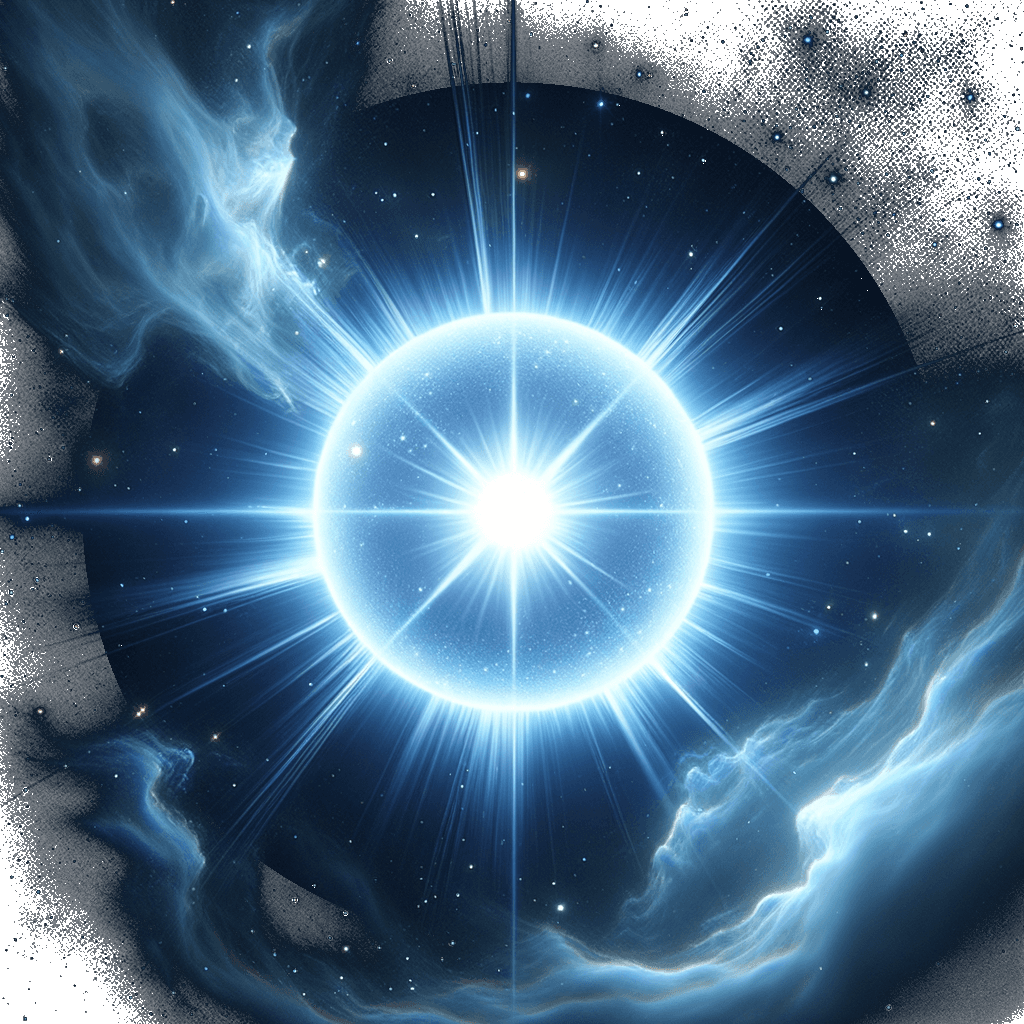
Sirius
The brightest star in the night sky. Sirius is a dazzling blue-white star just 8.6 light-years away. Ancient Egyptians built their calendar around it.
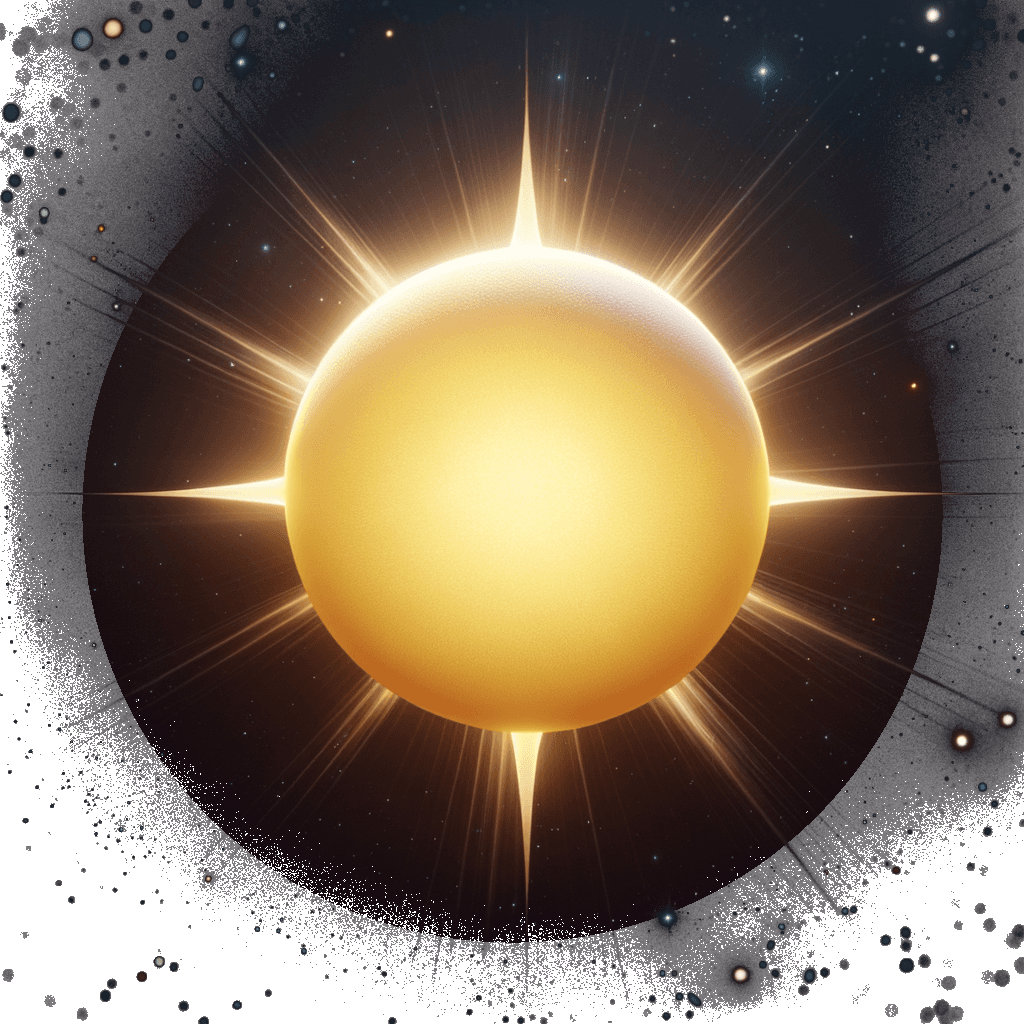
Polaris
The North Star. For centuries, sailors and explorers used Polaris to find their way. It sits almost perfectly above Earth's north pole.
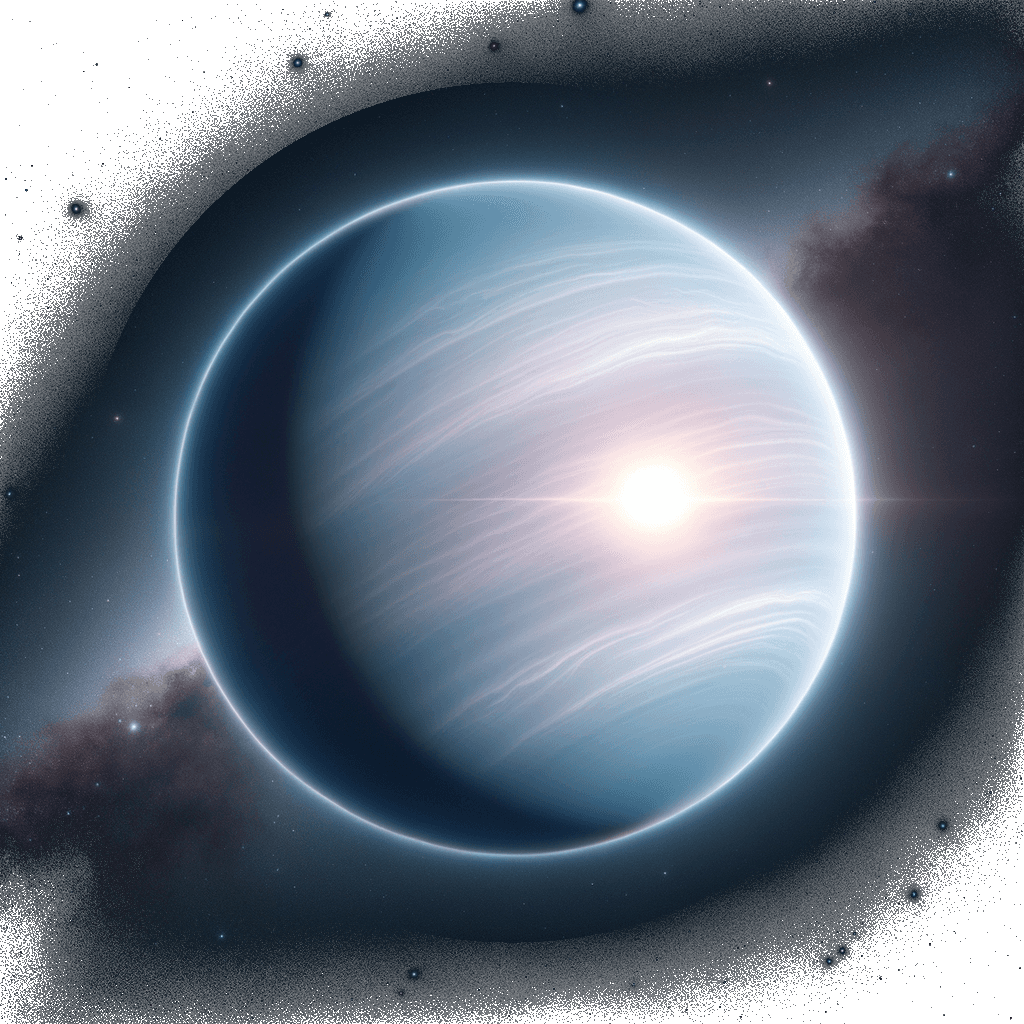
Vega
One of the brightest stars you can see from Earth. Vega was the first star ever photographed (back in 1850) and the first to have its spectrum recorded.
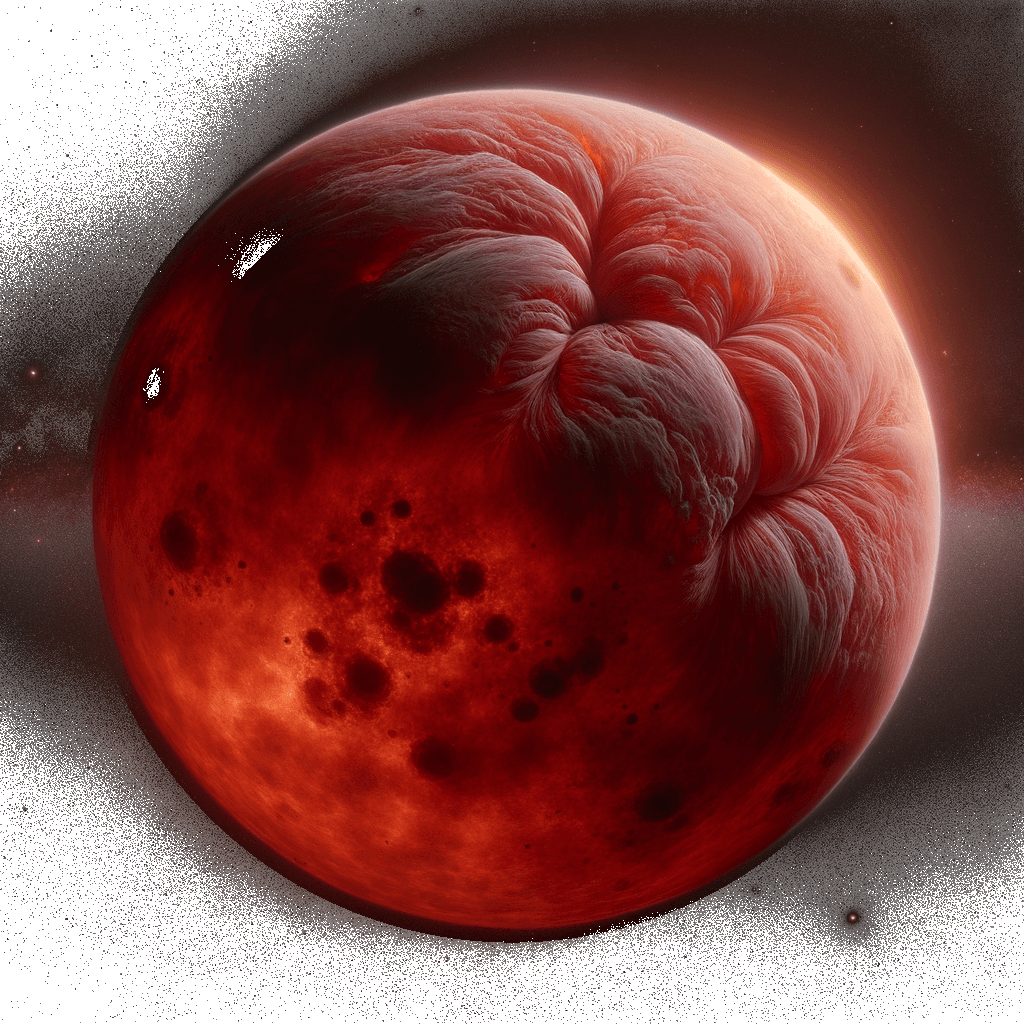
Betelgeuse
A red supergiant that could explode as a supernova any day now. Betelgeuse is so massive that if it replaced our Sun, it would swallow Mars.
Related articles & guides
Want to go deeper? Learn how stars get their names. Explore our guide to the brightest stars in the sky and famous constellations. Check out our planets page to explore the full catalog. You can also buy a star as a gift. Curious about exoplanets? We have a full article on that. Find out how big the universe really is. Explore all 88 constellation names. Learn about the different types of stars. Ready to look up? Try our stargazing without a telescope guide. Explore our article on life on other planets. Find out how many planets there are. Ever wondered about the largest star in the universe? Got questions? Visit our FAQ.
Frequently asked questions
How many stars are there in total?
The observable universe contains roughly 200 sextillion stars (2 x 10^23). This estimate comes from multiplying the average number of stars per galaxy (about 100 billion) by the estimated number of galaxies (about 2 trillion). The actual total could be much higher since we can only observe part of the universe.
How many stars can you see at night?
Under perfect conditions away from city lights, you can see about 4,500 to 5,000 stars with the naked eye. In suburban areas, that drops to 200-300. In city centers, you might only see about 20 stars due to light pollution.
Are there more stars than grains of sand?
Yes. Scientists estimate there are roughly 7.5 quintillion grains of sand on Earth's beaches. The estimated number of stars in the observable universe is about 200 sextillion, which is tens of thousands of times more than all the sand grains on Earth.
How many stars are in the Milky Way?
The Milky Way contains between 100 billion and 400 billion stars, with most estimates around 200 billion. About 73% of them are red dwarfs, too dim to see without a telescope.
Is the number of stars increasing or decreasing?
Both, actually. New stars are still being born (the Milky Way produces about 3 per year), but stars also die. The overall rate of star formation has been declining for about 10 billion years. In the very far future, star formation will stop completely.
Got Questions?
Here's everything you need to know about buying a planet
Here's the deal: this is symbolic ownership. Nobody can legally own a planet (there's actually a UN treaty about it). But what you DO get is a gorgeous personalized certificate with real astronomical data and a unique registration number. Think of it as the most original gift you can possibly give someone.
The planet's real name, your personalized owner name, a custom message if you want one, a unique registration number, and the date. It's designed to look premium enough to frame and hang on a wall.
It shows up in your email as a PDF within a few minutes of buying. You can print it at home, take it to a print shop for a nicer version, or just share it digitally. Simple.
People go crazy for it. We've sold over 3,247 planets so far and we get messages all the time from people saying it's the best gift they've ever received. It works for birthdays, Valentine's Day, Christmas, weddings, new babies... pretty much any occasion.
100%. Every planet in our catalog is a real celestial body discovered by NASA, ESA, or other space agencies. We don't make anything up. The data on your certificate comes from confirmed scientific discoveries.
No problem. You've got 30 days to change your mind. Just email us at ethan@buymyplanet.com and we'll sort it out.
Yes! We sell both planets and stars. Stars are beautiful and classic. Planets are full worlds with their own characteristics, categories, and stories. Both come with a personalized certificate and real astronomical data. Pick what fits best, or get both.
Yep! Each certificate gets its own unique registration number. It's like naming a star. The ownership is personal to you, and your certificate is one of a kind.
Right now we do instant digital PDF certificates. You can print them at home or at any print shop. We're working on framed physical versions that'll ship to your door. Stay tuned.
Totally. Symbolic planet ownership is a novelty gift, kind of like star naming services. The 1967 Outer Space Treaty says no country can claim a planet, but personalized certificates are perfectly fine. It's a beloved gift worldwide.
Pick Your Star from the Sky
200 sextillion stars out there, and you can put a name on one. Real coordinates. Real NASA data. Instant digital delivery for $24.99.
Digital product. Symbolic ownership certificate.