Comment sont nommées les étoiles ? L'histoire complète
Sirius, Bételgeuse, Polaris... ces noms te disent sûrement quelque chose. Mais qui les a choisis ? Et les milliards d'étoiles invisibles à l'œil nu, elles s'appellent comment ? L'histoire du nommage des étoiles est franchement fascinante. Elle traverse les civilisations, les siècles, et implique au moins une douzaine de systèmes de catalogage différents. On t'explique tout.
Les noms anciens : tout commence à Babylone
Les premiers noms d'étoiles remontent à Babylone, il y a environ 3 000 ans. Les astronomes babyloniens cartographiaient le ciel sur des tablettes d'argile et nommaient les étoiles les plus brillantes. Les Grecs ont repris ce travail. L'Almageste de Ptolémée, écrit vers 150 après J.-C., répertoriait 1 022 étoiles dans 48 constellations. Mais le truc cool, c'est que la plupart des noms qu'on utilise aujourd'hui viennent en fait de traductions arabes. Pendant l'âge d'or islamique (du VIIIe au XIVe siècle), les savants arabes ont traduit les textes grecs et ajouté leurs propres observations. Aldébaran signifie « le suiveur » en arabe, parce qu'elle suit les Pléiades dans le ciel. Bételgeuse vient de « yad al-jawza », la main du géant. Rigel veut dire « pied ». Environ 200 des 300 noms traditionnels d'étoiles ont des racines arabes.
Le système de Bayer : des lettres grecques pour les étoiles
En 1603, l'astronome allemand Johann Bayer publie l'Uranometria, le premier atlas stellaire couvrant tout le ciel. Son idée géniale ? Un système de nommage logique. Il attribuait des lettres grecques aux étoiles de chaque constellation, grosso modo par ordre de luminosité. La plus brillante recevait Alpha, la suivante Bêta, etc. Puis il ajoutait le génitif latin du nom de la constellation. L'étoile la plus brillante du Grand Chien devenait Alpha Canis Majoris (Sirius). Ce système est encore utilisé aujourd'hui. Mais il a ses limites : l'alphabet grec ne compte que 24 lettres. Et Bayer n'a pas toujours suivi strictement l'ordre de luminosité.
Les numéros de Flamsteed : quand les lettres ne suffisent plus
Un siècle après Bayer, l'astronome anglais John Flamsteed a choisi une autre approche. Au lieu de classer par luminosité, il numérotait les étoiles par position, d'ouest en est dans chaque constellation. On obtient des noms comme 61 Cygni ou 51 Pegasi. Son catalogue, publié en 1725 après sa mort, comptait environ 2 900 étoiles. Un bond énorme pour l'époque. Petit fait intéressant : 51 Pegasi est devenue célèbre en 1995 comme la première étoile de type solaire confirmée avec une exoplanète en orbite.
Le catalogue Henry Draper : l'ère industrielle des étoiles
À la fin du XIXe siècle, il fallait cataloguer bien plus d'étoiles. Le catalogue Henry Draper (HD), compilé à l'observatoire de Harvard entre 1886 et 1949, a changé la donne. Il a été financé par la succession de Henry Draper, un pionnier de l'astrophotographie. Le truc remarquable ? Le catalogue a été créé en grande partie par une équipe de femmes astronomes, les « Harvard Computers ». Williamina Fleming, Annie Jump Cannon et Cecilia Payne-Gaposchkin ont classifié plus de 225 000 étoiles par leur spectre. Les étoiles reçoivent des désignations comme HD 209458. Ce catalogue reste l'un des plus utilisés en astronomie professionnelle.
Les catalogues modernes : des milliards de désignations
Les télescopes actuels voient des milliards d'étoiles, et chaque relevé crée son propre catalogue. Le satellite Hipparcos (1989-1993) a mesuré précisément environ 118 000 étoiles avec des numéros HIP. Son successeur, la mission Gaia de l'ESA, a catalogué près de 2 milliards d'objets. Le relevé 2MASS a ajouté une couche pour les observations infrarouges. Le SDSS utilise des noms basés sur les coordonnées, comme SDSS J153259.96-003944.1. Une seule étoile peut avoir une douzaine de désignations différentes selon le catalogue. Sirius, par exemple, s'appelle aussi Alpha Canis Majoris, HR 2491, HD 48915, HIP 32349, et une quarantaine d'autres noms.
L'UAI : qui nomme officiellement les étoiles ?
L'Union astronomique internationale (UAI) est la seule organisation reconnue pour nommer les objets célestes. Fondée en 1919, l'UAI n'a formalisé les noms propres d'étoiles qu'en 2016 avec le Groupe de travail sur les noms d'étoiles (WGSN). Ils ont approuvé 451 noms propres officiels en 2024. Ce sont principalement des noms historiques utilisés depuis des siècles : Sirius, Véga, Polaris, Arcturus. L'UAI organise aussi des campagnes de nommage public. En 2019, le projet NameExoWorlds a permis à des citoyens de 112 pays de voter pour des noms d'exoplanètes. Tu peux participer au nommage officiel. Tu ne peux juste pas acheter un nom.
Étoiles variables et étoiles binaires : des noms à part
Les étoiles ne se comportent pas toutes pareil. Les étoiles variables (celles qui changent de luminosité) ont leur propre convention. La première variable découverte dans une constellation reçoit la lettre R, puis S, T, jusqu'à Z. Après Z, on passe à RR, RS, jusqu'à ZZ, puis AA à QZ. Ça donne 334 possibilités par constellation. Ensuite, c'est V suivi d'un numéro, comme V838 Monocerotis. Les étoiles binaires (deux étoiles en orbite l'une autour de l'autre) ajoutent les suffixes A et B. Alpha du Centaure A est un peu plus brillante qu'Alpha du Centaure B. Proxima du Centaure (Alpha du Centaure C) est l'étoile la plus proche de notre Soleil, à 4,24 années-lumière.
Les constellations : le cadre derrière les noms d'étoiles
Les noms d'étoiles dépendent beaucoup des constellations. Les 88 constellations officielles ont été standardisées par l'UAI en 1922. Elles incluent les 48 originales de Ptolémée plus 40 ajoutées par les explorateurs européens qui ont cartographié le ciel austral. Chaque constellation a un nom latin et une abréviation de trois lettres. Orion devient Ori. Le Grand Chien devient CMa. Quand tu vois une étoile appelée Bêta Orionis, « Orionis » t'indique qu'elle appartient à la constellation d'Orion. Les frontières des constellations ont été précisément définies en 1930 par l'astronome belge Eugène Delporte. Chaque point du ciel appartient à une seule constellation.
Noms d'étoiles célèbres et leur signification
Certains noms d'étoiles sont étonnamment descriptifs. Sirius (l'étoile la plus brillante du ciel nocturne) vient du grec « seirios » qui signifie « brûlant ». Polaris veut simplement dire « étoile polaire » parce qu'elle se trouve presque exactement au pôle nord céleste. Antarès signifie « rival de Mars » à cause de sa couleur rouge. Algol vient de l'arabe « ra's al-ghul », la tête du démon. C'est une étoile binaire qui semble « cligner de l'œil » toutes les 2,87 jours quand une étoile éclipse l'autre. Les astronomes anciens trouvaient ça assez flippant pour la nommer d'après un monstre. Véga vient de l'arabe pour « aigle en piqué ». Capella signifie « petite chèvre » en latin.
Peut-on nommer une étoile pour quelqu'un ?
Officiellement ? Non. L'UAI ne vend pas de noms d'étoiles et ne reconnaît pas les noms vendus par les services commerciaux. Mais les services de nommage d'étoiles sont des cadeaux populaires depuis les années 1970. Comment ça marche : tu choisis une étoile, le service enregistre le nom dans son registre avec les vraies coordonnées astronomiques, et tu reçois un certificat. Les coordonnées sont réelles. L'étoile est réelle. Le nom n'est juste pas reconnu par l'UAI. Imagine un peu : c'est comme donner un nom à un bateau. L'administration maritime s'en fiche, mais c'est quand même ton bateau et tu l'as quand même nommé. Pour beaucoup de gens, c'est le geste qui compte. Des services comme BuyMyPlanet utilisent de vraies données NASA et de vraies coordonnées stellaires. Un certificat coûte 24,99 $, ou 29,99 $ pour la version premium avec une page web personnalisée et un QR code.
Combien d'étoiles ont un nom ?
Sur les quelque 200 milliards de milliards d'étoiles dans l'univers observable, seulement 300 environ ont un nom propre traditionnel. L'UAI en a officiellement approuvé 451. Le catalogue Hipparcos couvre environ 118 000 étoiles avec des mesures précises. La mission Gaia a catalogué près de 2 milliards d'objets. Mais la vaste majorité des étoiles reste complètement sans nom. Même dans notre Voie lactée, qui contient entre 100 et 400 milliards d'étoiles, on n'a fait qu'effleurer la surface. La plupart sont des naines rouges trop faibles pour être vues à l'œil nu. C'est ce qui rend le nommage d'étoiles spécial. Quand tu choisis une étoile spécifique et que tu lui donnes un nom, tu fais quelque chose que les astronomes ne feront probablement jamais.
Étoiles célèbres à découvrir
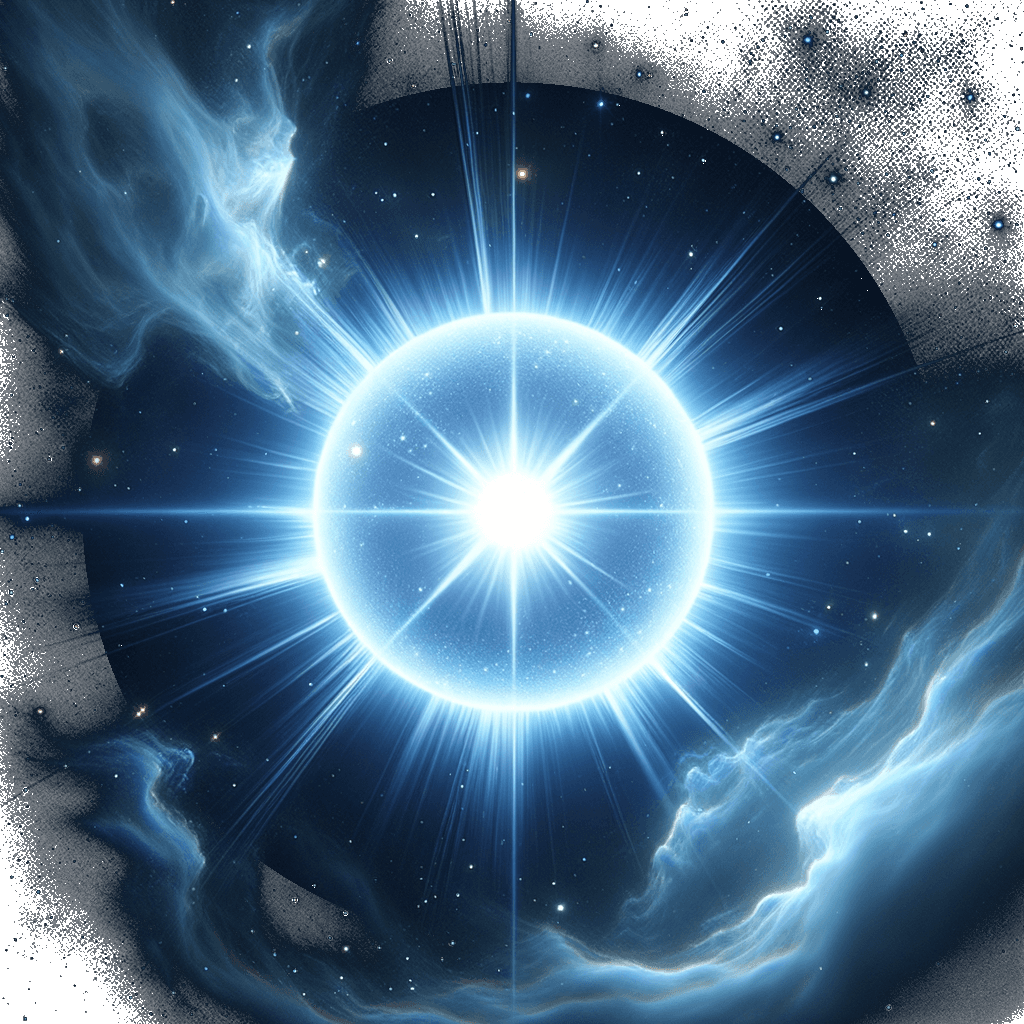
Sirius
L'étoile la plus brillante du ciel nocturne. Sirius est une étoile bleu-blanc éblouissante à seulement 8,6 années-lumière. Les Égyptiens ont construit leur calendrier autour d'elle.
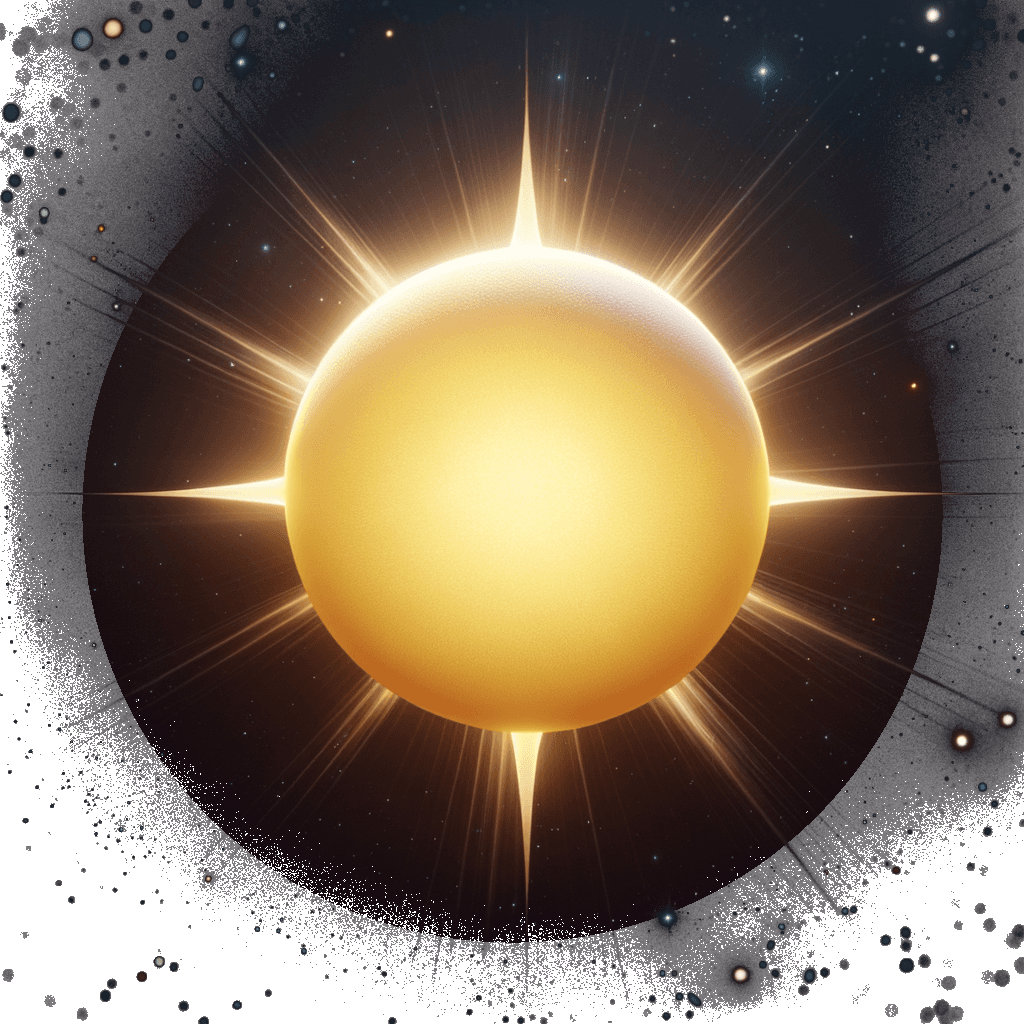
Polaris
L'étoile Polaire. Pendant des siècles, les marins et explorateurs ont utilisé Polaris pour trouver leur chemin. Elle se trouve presque exactement au-dessus du pôle nord.
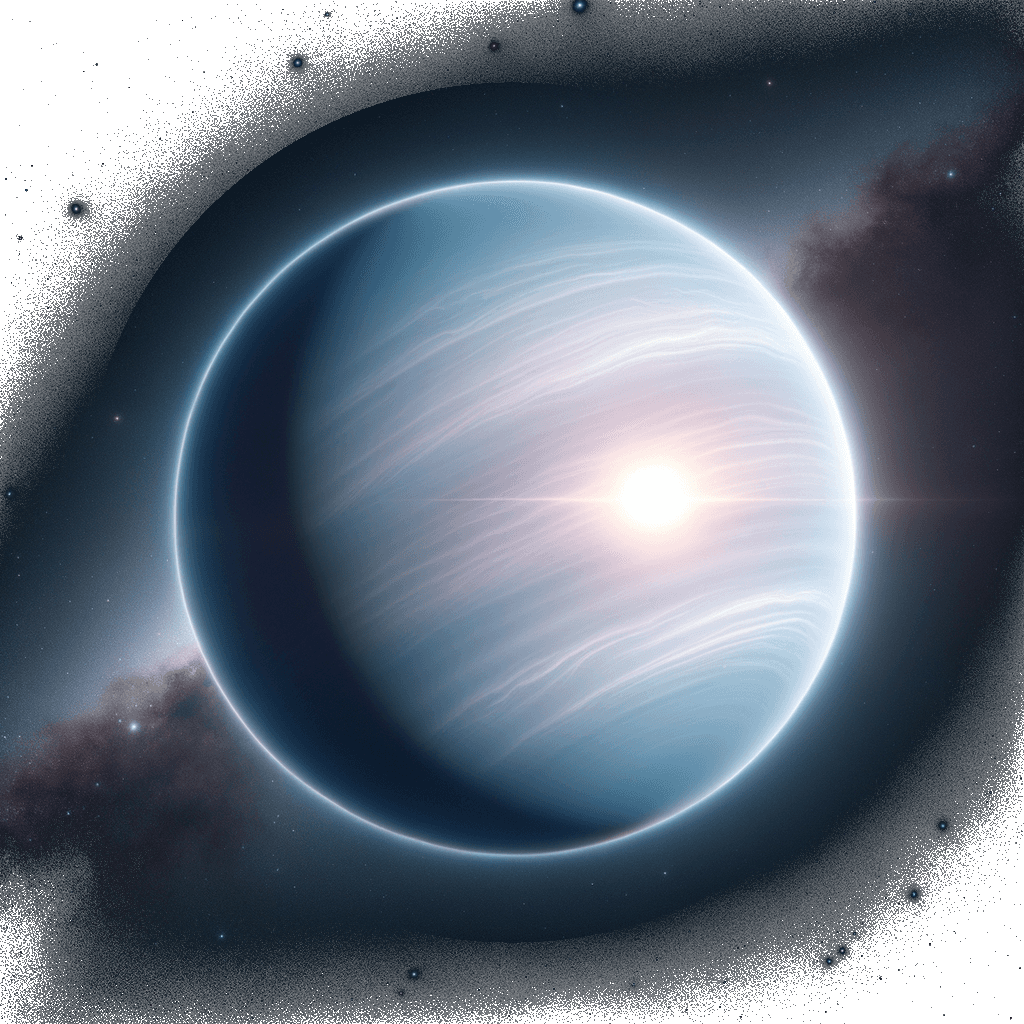
Vega
L'une des étoiles les plus brillantes visibles depuis la Terre. Véga a été la première étoile jamais photographiée (en 1850) et la première dont le spectre a été enregistré.
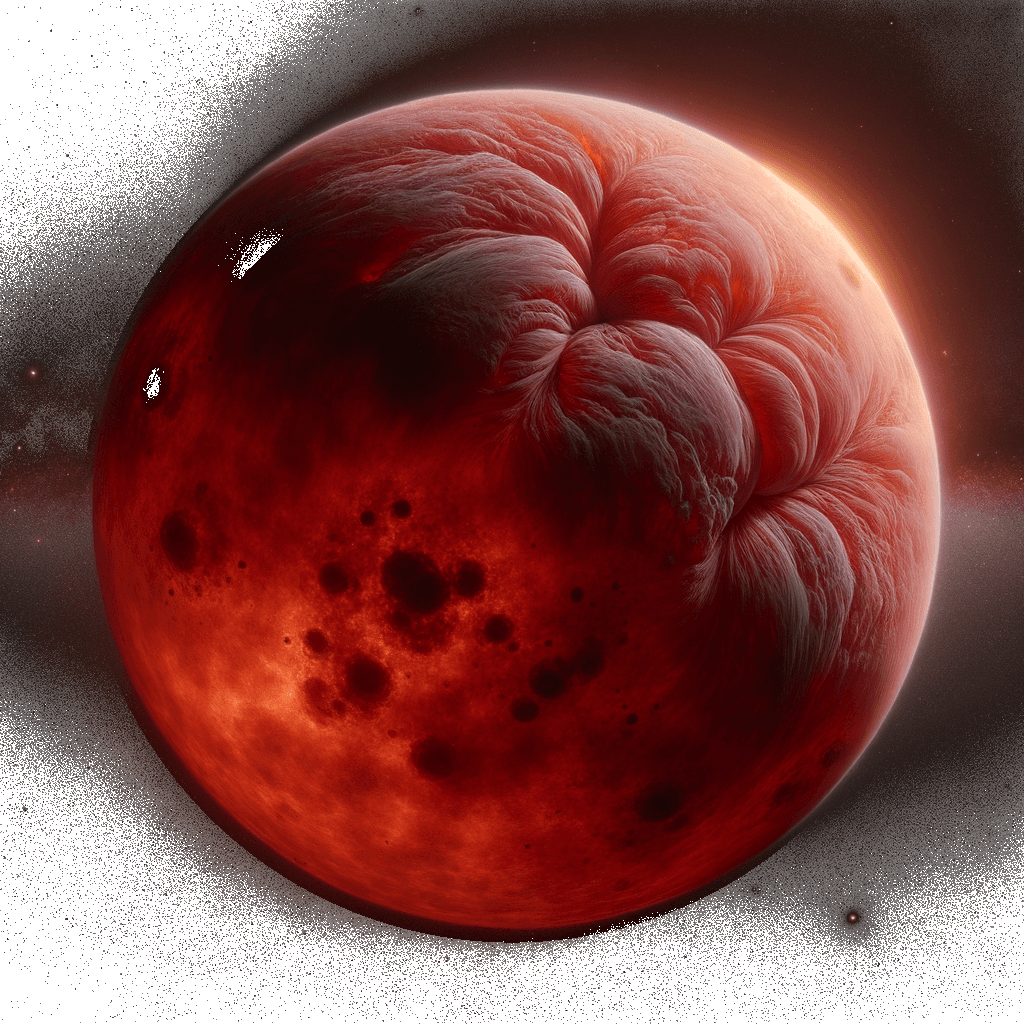
Betelgeuse
Une supergéante rouge qui pourrait exploser en supernova à tout moment. Bételgeuse est si massive que si elle remplaçait notre Soleil, elle engloutirait Mars.
Articles et guides associés
Envie d'aller plus loin ? Découvre notre guide des étoiles les plus brillantes du ciel et notre guide des constellations célèbres. Explore notre page planètes pour explorer notre catalogue. Tu peux aussi acheter une étoile comme cadeau. Et si tu te demandes si on peut vraiment acheter une planète, on a un article complet sur le sujet. Découvre aussi ce qu'est une exoplanète. Tu te demandes combien d'étoiles existent ? Tu cherches un cadeau symbolique ? Regarde nos idées de cadeaux commémoratifs. Tu veux savoir si on peut acheter une étoile ? Lis notre guide complet. Découvre aussi notre guide des noms de constellations. Envie de te lancer ? Lis notre guide d'observation des étoiles pour débutants. Découvre aussi quelle est la plus grande étoile de l'univers. Pour toutes tes questions, direction notre FAQ.
Questions fréquentes
Qui a l'autorité pour nommer les étoiles ?
L'Union astronomique internationale (UAI) est le seul organisme scientifique reconnu pour nommer officiellement les étoiles. Ils ont formalisé ça en 2016 avec le Groupe de travail sur les noms d'étoiles.
Les noms vendus par les services commerciaux sont-ils officiels ?
Non, l'UAI ne reconnaît pas les noms vendus par les services commerciaux. Mais les coordonnées et données stellaires utilisées sont réelles. C'est un geste symbolique, pas une désignation astronomique officielle.
Pourquoi tant de noms d'étoiles viennent-ils de l'arabe ?
Pendant l'âge d'or islamique (VIIIe-XIVe siècle), les savants arabes ont traduit et enrichi les textes astronomiques grecs. Leurs noms et observations sont restés parce que leur travail a profondément influencé l'astronomie européenne.
Combien d'étoiles existent dans l'univers ?
Environ 200 milliards de milliards (2 x 10^23) d'étoiles dans l'univers observable. Notre Voie lactée seule en contient entre 100 et 400 milliards. Seulement 300 environ ont un nom propre traditionnel.
Peut-on offrir une étoile en cadeau ?
Oui. Même si le nom ne sera pas reconnu par l'UAI, tu reçois un certificat avec de vraies coordonnées astronomiques. Des services comme BuyMyPlanet utilisent de vraies données NASA à partir de 24,99 $.
Tu te poses des questions ?
Tout ce qu'il faut savoir sur l'achat d'une planète
Alors voilà le truc : c'est de la propriété symbolique. Personne ne peut légalement posséder une planète (il y a d'ailleurs un traité de l'ONU là-dessus). Mais ce que tu reçois, c'est un super certificat personnalisé avec de vraies données astronomiques et un numéro unique. Pense à ça comme le cadeau le plus original que tu puisses faire.
Le vrai nom de la planète, le nom personnalisé du propriétaire, un message perso si tu veux, un numéro d'enregistrement unique et la date. C'est assez beau pour être encadré et accroché au mur.
Il arrive dans ta boîte mail en PDF quelques minutes après l'achat. Tu peux l'imprimer chez toi, aller dans un magasin photo pour une version plus classe, ou juste le partager en ligne. Facile.
Les gens deviennent fous. On a vendu plus de 3 247 planètes et on reçoit régulièrement des messages de gens qui disent que c'est le meilleur cadeau qu'ils aient jamais reçu. Ça marche pour les anniversaires, la Saint-Valentin, Noël, les mariages, les naissances... à peu près toutes les occasions.
À 100%. Chaque planète de notre catalogue est un vrai corps céleste découvert par la NASA, l'ESA ou d'autres agences spatiales. On n'invente rien. Les données sur ton certificat viennent de découvertes scientifiques confirmées.
Pas de souci. Tu as 30 jours pour changer d'avis. Envoie juste un mail à ethan@buymyplanet.com et on s'en occupe.
Oui ! On vend des planètes et des étoiles. Les étoiles, c'est classique et toujours aussi magique. Les planètes, ce sont des mondes entiers avec leurs propres caractéristiques et histoires. Les deux viennent avec un certificat personnalisé et de vraies données astronomiques. Choisis ce qui te plaît, ou prends les deux.
Oui ! Chaque certificat a son propre numéro d'enregistrement unique. C'est comme nommer une étoile. La propriété est personnelle, et ton certificat est unique en son genre.
Pour l'instant on fait des certificats PDF numériques instantanés. Tu peux les imprimer chez toi ou dans n'importe quel magasin photo. On travaille sur des versions encadrées qui seront livrées chez toi. Ça arrive bientôt.
Complètement. La propriété symbolique de planètes, c'est un cadeau de fantaisie, un peu comme les services qui nomment des étoiles. Le Traité de l'Espace de 1967 dit qu'aucun pays ne peut revendiquer une planète, mais les certificats personnalisés sont tout à fait légaux. C'est un cadeau apprécié dans le monde entier.
Mets ton nom sur une vraie étoile
De vraies coordonnées. De vraies données NASA. Un certificat qui a du sens. À partir de 24,99 $.
Digital product. Symbolic ownership certificate.