Can You Buy a Planet? Here's What You Need to Know
You've probably wondered this at least once. Maybe you were stargazing. Maybe you saw a sci-fi movie. Maybe you just have money and big dreams. Either way, the question is simple: can you buy a planet? The short answer is no. Nobody can legally own a planet. But the full story is way more interesting than that, and there are some pretty cool things you can actually do.
The Short Answer: No, You Can't Buy a Planet
Nobody on Earth can sell you a planet because nobody on Earth owns one. This isn't a gray area or a legal loophole. It's settled international law. The 1967 Outer Space Treaty, signed by over 110 countries including the US, Russia, and China, says that outer space "is not subject to national appropriation by claim of sovereignty, by means of use or occupation, or by any other means." That includes planets, moons, asteroids, and everything else out there. If a government can't own a planet, a private citizen definitely can't either. So any company claiming to sell you "real" ownership of Mars or Jupiter is, at best, selling you a novelty. At worst, it's a scam.
The Outer Space Treaty Explained
The Outer Space Treaty is basically the constitution of space. It was written during the Cold War when the US and Soviet Union were racing to plant flags on the Moon. Both sides realized that letting countries claim chunks of space could lead to, well, space wars. So they agreed that space belongs to everyone. The treaty says a few key things. No country can claim a celestial body. Space exploration must benefit all countries. You can't put nuclear weapons in orbit. And astronauts should help each other in emergencies, regardless of nationality. Over 110 nations have ratified it. It's one of the most widely accepted treaties in history.
What About the Moon Treaty?
There's actually a second treaty from 1979 called the Moon Agreement. It goes further than the Outer Space Treaty by saying that no private individual or organization can own space property either, not just governments. Here's the catch though. Almost nobody signed it. The US, Russia, and China all refused. Only 18 countries have ratified the Moon Agreement, and none of them are major space powers. So while the Outer Space Treaty is rock solid, the Moon Agreement is basically a strongly worded suggestion that everyone ignores.
Can You Buy Land on Mars?
This comes up a lot, especially since Elon Musk keeps talking about colonizing Mars. Companies like the Lunar Embassy have been selling plots of Mars land since the 1980s. Dennis Hope, the founder, filed a "declaration of ownership" with the UN and started selling one-acre plots for about $30 each. He claims to have made over $12 million. Here's the problem. His ownership claim has zero legal standing. The UN never acknowledged it. No government recognizes it. If humans ever do settle on Mars, the people who bought plots from Dennis Hope will have exactly the same rights as everyone else: none. The same goes for lunar real estate, asteroid mining rights, and anything else you see advertised online. Fun as a novelty? Sure. Legal ownership? Not even close.
What About Buying a Star?
Stars are a little different from planets, but the legal situation is the same. You can't own a star. The International Astronomical Union (IAU) is the only body that officially names stars, and they don't sell names. They name stars based on catalog systems like the Henry Draper Catalogue or the Hipparcos catalog. Star naming services are a popular gift though. They've been around since the 1970s. You pay for a certificate that says a specific star is named after someone. It's not recognized by the IAU, but the star coordinates are real, the data is real, and it makes a genuinely thoughtful gift. The key is understanding what you're buying. It's a personalized keepsake, not a property deed.
How Planet Naming Actually Works
The IAU has a specific process for naming planets. Planets in our solar system were named centuries ago after Roman gods. Mercury, Venus, Mars, Jupiter, Saturn. For exoplanets, which are planets outside our solar system, the IAU runs naming campaigns where the public can submit suggestions. In 2019, the IAU's NameExoWorlds campaign let people in 112 countries vote on names for exoplanets. So technically, you can participate in naming a real planet. You just can't buy one. For a more personal option, services like BuyMyPlanet let you associate your name with a real planet or star. You get a certificate with actual astronomical data including coordinates, distance from Earth, and other details. It costs $24.99. The premium version at $29.99 includes a personalized web page with a QR code. It's symbolic, but it's based on real science.
Famous Attempts to Own Space Property
People have been trying to claim space property for decades. In 1980, Dennis Hope sent a letter to the UN declaring himself owner of the Moon, all the planets, and their moons. The UN never responded, which Hope interpreted as approval. It wasn't. In 2001, Gregory Nemitz registered asteroid 433 Eros as his property with the Archimedes Institute and sent NASA a parking fee when their NEAR Shoemaker probe landed on it. NASA's legal team declined to pay. More recently, companies have tried selling "star deeds" and "planetary certificates" with varying degrees of honesty about what you're actually getting. The bottom line is always the same. No private entity can grant you ownership of something that international law says nobody owns.
How Many Planets Are Out There?
As of 2026, astronomers have confirmed over 5,700 exoplanets. That's planets orbiting stars other than our Sun. NASA's Kepler space telescope found most of them between 2009 and 2018. The James Webb Space Telescope is now studying their atmospheres to look for signs of water and potentially life. Scientists estimate there could be billions of planets in our galaxy alone. Some of these are in the "habitable zone" where liquid water could exist on the surface. The TRAPPIST-1 system has seven Earth-sized planets, three of which might be habitable. So while you can't buy any of them, there's no shortage of planets to be fascinated by.
What You CAN Do with a Planet
OK so you can't buy a planet. But here's what you can actually do. You can name one symbolically through a naming service and get a certificate with real astronomical data. You can participate in citizen science projects like Planet Hunters on Zooniverse, where regular people help discover actual exoplanets by analyzing telescope data. You can adopt a virtual planet or star through programs at observatories. And you can even propose names for newly discovered exoplanets through IAU naming campaigns. If you just want to connect with the cosmos in a personal way, naming a planet or star makes a surprisingly meaningful gift. The person gets a certificate with real coordinates they can look up, real distance measurements, and real NASA data. Starting at $24.99, it's more affordable than actual space travel.
The Future of Space Property Rights
Space law is evolving. As asteroid mining gets closer to reality, countries are starting to pass their own laws. The US Commercial Space Launch Competitiveness Act of 2015 says American citizens can own resources they extract from space. Luxembourg passed similar legislation in 2017. But owning extracted resources is different from owning the rock itself. Think of it like fishing rights. You can own the fish you catch, but you don't own the ocean. This distinction will become increasingly important as companies like SpaceX, Blue Origin, and various mining startups push further into space. For now though, the idea of buying a planet remains firmly in the realm of science fiction. What is real? Naming a planet, learning about the universe, and sharing that wonder with someone you care about.
Planets & stars to explore
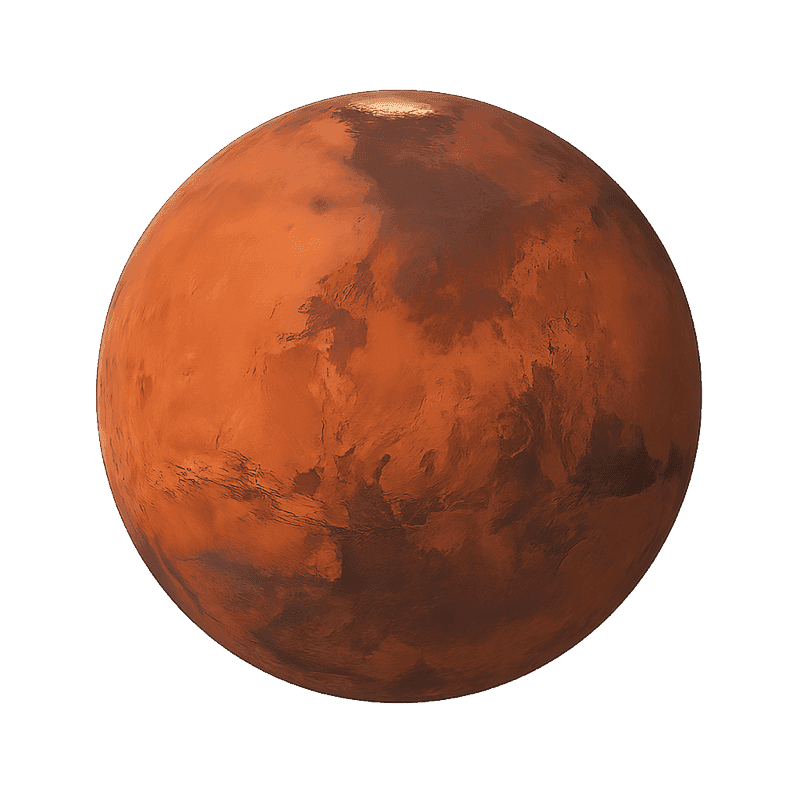
Mars
The Red Planet — a dusty, cold desert world that may have once harbored ancient rivers and lakes.
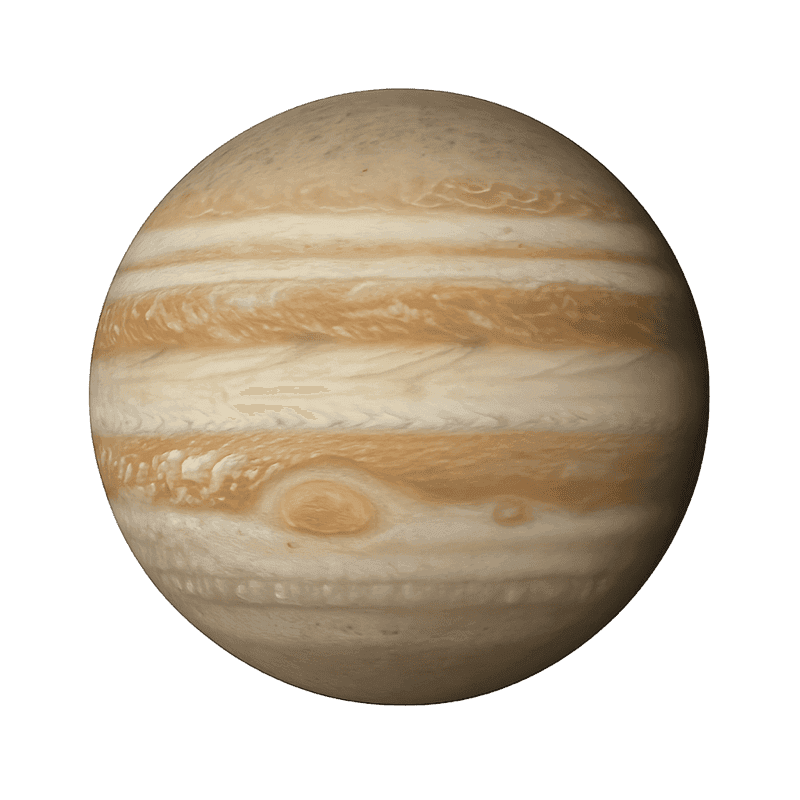
Jupiter
The king of planets — a colossal gas giant with a Great Red Spot storm raging for centuries.
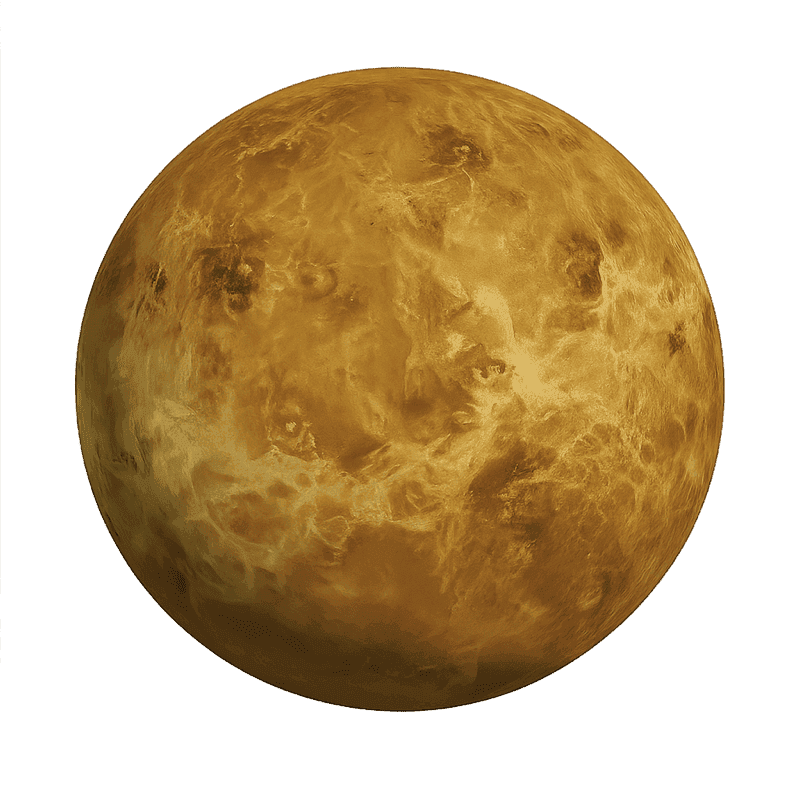
Venus
Earth's toxic twin — a hellish world with crushing pressure and sulfuric acid clouds.
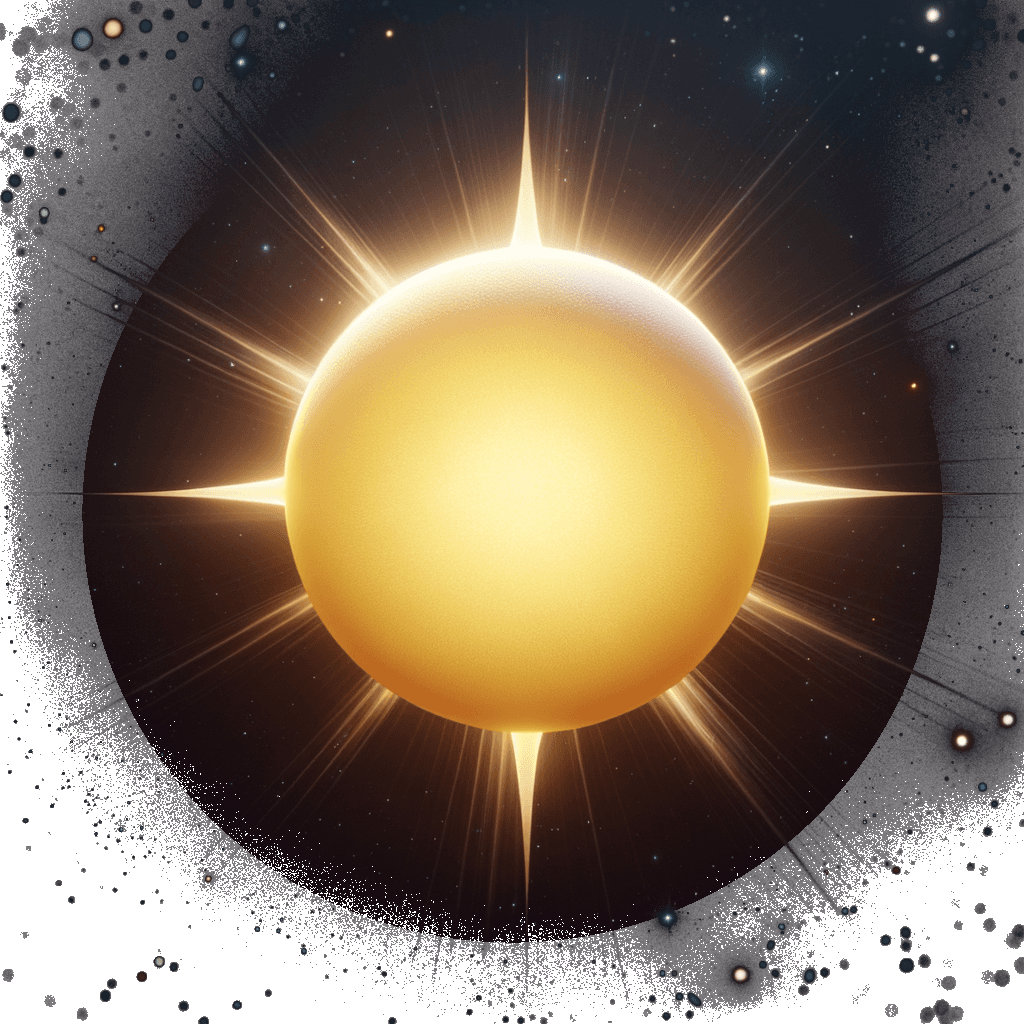
Polaris
The North Star. For centuries, sailors and explorers used Polaris to find their way. It sits almost perfectly above Earth's north pole.
Related articles & guides
Want to go deeper? Check out our planets page to explore our full catalog. See all 8 planets in order from the Sun. You can also buy a star as a gift. And if you're shopping for a space enthusiast, our gifts for space lovers guide has you covered. Curious about how stars get their names? Or discover the brightest stars in the sky. Curious about alien worlds? Read our guide on what an exoplanet is or explore life on other planets. Looking for something meaningful? Check our memorial gift ideas. Learn how big the universe is. Wondering about stars instead? Read can you buy a star. Check out these solar system facts. Ever wondered if Pluto is a planet? Got questions? Visit our FAQ.
Frequently asked questions
Can you legally buy a planet?
No. The 1967 Outer Space Treaty prevents any country or individual from owning celestial bodies. Any company selling "real" planetary ownership is selling a novelty, not a legal deed.
How much would a planet cost if you could buy one?
There's no real answer because planets aren't for sale. But for context, NASA's OSIRIS-REx mission cost $1.16 billion just to visit an asteroid. Greg Laughlin, an astrophysicist at Yale, once calculated Earth's value at $5 quadrillion. So probably more than your budget.
Can you buy land on Mars?
No. Several companies have sold Mars land plots, but none of these sales have any legal standing. The Outer Space Treaty prohibits ownership of any part of Mars by any nation or person.
What is the Outer Space Treaty?
The 1967 Outer Space Treaty is an international agreement signed by over 110 countries. It states that outer space, including the Moon and other celestial bodies, cannot be owned by any nation through sovereignty claims, occupation, or any other method.
Can you name a planet after someone?
Official planet names are assigned by the International Astronomical Union (IAU). But you can get a symbolic naming certificate through services like BuyMyPlanet, which uses real astronomical data for $24.99. It's not an official IAU designation, but it makes a unique, personalized gift.
Got Questions?
Here's everything you need to know about buying a planet
Here's the deal: this is symbolic ownership. Nobody can legally own a planet (there's actually a UN treaty about it). But what you DO get is a gorgeous personalized certificate with real astronomical data and a unique registration number. Think of it as the most original gift you can possibly give someone.
The planet's real name, your personalized owner name, a custom message if you want one, a unique registration number, and the date. It's designed to look premium enough to frame and hang on a wall.
It shows up in your email as a PDF within a few minutes of buying. You can print it at home, take it to a print shop for a nicer version, or just share it digitally. Simple.
People go crazy for it. We've sold over 3,247 planets so far and we get messages all the time from people saying it's the best gift they've ever received. It works for birthdays, Valentine's Day, Christmas, weddings, new babies... pretty much any occasion.
100%. Every planet in our catalog is a real celestial body discovered by NASA, ESA, or other space agencies. We don't make anything up. The data on your certificate comes from confirmed scientific discoveries.
No problem. You've got 30 days to change your mind. Just email us at ethan@buymyplanet.com and we'll sort it out.
Yes! We sell both planets and stars. Stars are beautiful and classic. Planets are full worlds with their own characteristics, categories, and stories. Both come with a personalized certificate and real astronomical data. Pick what fits best, or get both.
Yep! Each certificate gets its own unique registration number. It's like naming a star. The ownership is personal to you, and your certificate is one of a kind.
Right now we do instant digital PDF certificates. You can print them at home or at any print shop. We're working on framed physical versions that'll ship to your door. Stay tuned.
Totally. Symbolic planet ownership is a novelty gift, kind of like star naming services. The 1967 Outer Space Treaty says no country can claim a planet, but personalized certificates are perfectly fine. It's a beloved gift worldwide.
Put Your Name on a Planet
You can't own a planet. But you can name one. Pick from real planets and stars, get a certificate with actual NASA data, and give someone a gift they'll never forget. Starting at $24.99.
Digital product. Symbolic ownership certificate.