Les planètes dans l'ordre : guide complet du système solaire
Mercure, Vénus, Terre, Mars, Jupiter, Saturne, Uranus, Neptune. Huit planètes qui tournent autour du Soleil, chacune complètement différente de sa voisine. Certaines sont minuscules et rocheuses. D'autres sont des géantes gazeuses tellement immenses qu'elles pourraient avaler la Terre mille fois. Voici tout ce qu'il faut savoir sur chacune d'entre elles.
Mercure : la plus petite planète, la plus proche du Soleil
Mercure se trouve à seulement 58 millions de kilomètres du Soleil. C'est la plus petite planète du système solaire, à peine plus grande que notre Lune. Une année sur Mercure dure 88 jours terrestres, mais un seul jour (du lever au lever du soleil) prend 176 jours terrestres. Résultat : tu verrais moins de deux levers de soleil par an. Les températures oscillent entre 430 °C le jour et -180 °C la nuit parce que Mercure n'a presque pas d'atmosphère pour retenir la chaleur. La sonde MESSENGER de la NASA a orbité autour de Mercure de 2011 à 2015 et a trouvé de la glace d'eau cachée dans des cratères constamment à l'ombre près des pôles. Pour une planète aussi proche du Soleil, c'est franchement surprenant.
Vénus : la jumelle maléfique de la Terre
Vénus est la deuxième planète depuis le Soleil et la plus chaude du système solaire. Pas Mercure. Vénus. Son épaisse atmosphère de dioxyde de carbone crée un effet de serre incontrôlable qui pousse les températures à 465 °C en surface, assez pour faire fondre le plomb. La pression atmosphérique sur Vénus est 90 fois celle de la Terre. Imagine un peu : c'est comme être à 900 mètres sous l'océan. Vénus tourne aussi à l'envers par rapport à la plupart des planètes, donc le Soleil se lève à l'ouest et se couche à l'est. Un jour sur Vénus (243 jours terrestres) est plus long que son année (225 jours terrestres). Les sondes soviétiques Venera se sont posées sur Vénus dans les années 1970-1980 et n'ont survécu que quelques minutes avant d'être écrasées et grillées.
La Terre : la seule planète connue abritant la vie
Troisième depuis le Soleil, la Terre se trouve dans la zone habitable où l'eau liquide peut exister en surface. Ça a l'air anodin comme ça, mais ça change tout. L'eau permet la chimie nécessaire à la vie telle qu'on la connaît. La Terre a 4,5 milliards d'années, possède un champ magnétique qui la protège du rayonnement solaire, et une atmosphère qui équilibre parfaitement oxygène et azote pour la vie complexe. Environ 71 % de la surface est recouverte d'eau. La Terre est la planète la plus dense du système solaire et la plus grande des quatre planètes rocheuses. On trouve ça normal, mais d'un point de vue cosmique, la Terre est spectaculairement rare.
Mars : la planète rouge, prochaine destination humaine
Mars est la quatrième planète depuis le Soleil et la plus explorée après la Terre. Sa couleur rouge vient de l'oxyde de fer (la rouille) qui recouvre sa surface. Mars abrite le plus haut volcan du système solaire, Olympus Mons, qui culmine à 21,9 km. C'est presque trois fois la hauteur de l'Everest. Mars possède aussi Valles Marineris, un réseau de canyons long de 4 000 km et profond de 7 km par endroits. Un jour sur Mars dure 24 heures et 37 minutes, presque identique à la Terre. Mais une année prend 687 jours terrestres. Mars a deux petites lunes, Phobos et Deimos, probablement des astéroïdes capturés. Plusieurs rovers ont exploré la surface, dont Perseverance, qui a atterri en 2021 et cherche actuellement des traces de vie microbienne ancienne.
Jupiter : la reine des planètes
Jupiter est la cinquième planète depuis le Soleil et la plus grande, de loin. On pourrait faire rentrer 1 321 Terres à l'intérieur. C'est une géante gazeuse composée principalement d'hydrogène et d'hélium, sans surface solide. La Grande Tache Rouge est une tempête qui fait rage depuis au moins 350 ans et qui est plus grande que la Terre. Jupiter tourne plus vite que toute autre planète, bouclant un tour complet en à peine 10 heures. Cette rotation rapide crée des bandes de nuages puissantes et des vents énormes. Jupiter possède au moins 95 lunes connues. Les quatre plus grandes, Io, Europe, Ganymède et Callisto, ont été découvertes par Galilée en 1610. Europe est particulièrement excitante car elle cache un océan d'eau liquide sous sa croûte de glace, ce qui en fait l'un des meilleurs candidats pour la vie extraterrestre.
Saturne : la géante aux anneaux
Saturne est la sixième planète depuis le Soleil et elle est célèbre pour ses anneaux spectaculaires. Ces anneaux sont composés de milliards de morceaux de glace et de roche, allant de minuscules grains à des blocs de la taille d'une maison. Ils s'étendent sur 282 000 km mais ne font qu'une dizaine de mètres d'épaisseur en moyenne. Saturne est la deuxième plus grande planète mais aussi la moins dense. Elle est moins dense que l'eau, ce qui veut dire qu'elle flotterait dans une baignoire assez grande. Saturne a 146 lunes connues. Titan, la plus grande, possède une atmosphère épaisse et des lacs de méthane liquide en surface. Encelade projette des geysers de glace d'eau depuis son pôle sud, suggérant un océan souterrain.
Uranus : la planète couchée sur le côté
Uranus est la septième planète depuis le Soleil et l'une des plus bizarres. Elle tourne sur le côté, avec une inclinaison axiale de 98 degrés. Les scientifiques pensent qu'une collision massive il y a des milliards d'années l'a fait basculer. Cette inclinaison signifie que chaque pôle reçoit 42 ans de lumière continue suivis de 42 ans d'obscurité totale. Uranus est une géante de glace, faite d'eau, de méthane et d'ammoniac autour d'un petit noyau rocheux. Le méthane dans son atmosphère absorbe la lumière rouge, ce qui donne à Uranus sa couleur bleu-vert pâle. Elle a 27 lunes connues, toutes nommées d'après des personnages de Shakespeare et d'Alexander Pope. Uranus a été la première planète découverte au télescope, repérée par William Herschel en 1781.
Neptune : la planète la plus venteuse du système solaire
Neptune est la huitième planète, la plus éloignée du Soleil, en orbite à 4,5 milliards de kilomètres. La lumière du Soleil met plus de 4 heures pour atteindre Neptune. Malgré cette distance énorme, Neptune a les vents les plus puissants de toutes les planètes, atteignant 2 100 km/h. Personne ne comprend vraiment pourquoi. Neptune est légèrement plus petite qu'Uranus mais plus massive, donc plus dense. Son bleu profond vient du méthane, comme Uranus, mais un composé inconnu lui donne un bleu plus vif. Neptune a 16 lunes connues. Triton, la plus grande, orbite dans le sens inverse de la rotation de Neptune, ce qui suggère qu'elle a été capturée depuis la ceinture de Kuiper. Une année sur Neptune dure 165 années terrestres. Elle a complété sa première orbite depuis sa découverte en 2011.
Planètes intérieures contre planètes extérieures : quelle différence ?
Le système solaire se divise nettement en deux groupes. Les planètes intérieures (Mercure, Vénus, Terre, Mars) sont petites, rocheuses et proches du Soleil. Elles ont des surfaces solides, peu ou pas de lunes, et pas d'anneaux. Les planètes extérieures (Jupiter, Saturne, Uranus, Neptune) sont énormes, faites principalement de gaz et de glace, entourées de dizaines de lunes et de systèmes d'anneaux. Entre les deux se trouve la ceinture d'astéroïdes, une région contenant des millions d'objets rocheux restés de la formation du système solaire. Le plus gros objet de cette ceinture est Cérès, une planète naine d'environ 940 km de diamètre. Cette séparation existe parce que près du jeune Soleil, il faisait trop chaud pour que les gaz se condensent, donc seuls la roche et le métal ont pu former des planètes.
Et Pluton ? Les planètes naines expliquées
Pluton a perdu son statut de planète en 2006 quand l'Union astronomique internationale a créé une définition formelle exigeant qu'une planète « nettoie » son voisinage orbital. Pluton partage sa région orbitale avec des milliers d'objets de la ceinture de Kuiper, donc elle a été reclassée comme planète naine. Cette décision reste controversée, mais la science est claire. En plus de Pluton, il y a quatre autres planètes naines reconnues : Cérès (dans la ceinture d'astéroïdes), Éris (plus grande que Pluton, en orbite au-delà), Hauméa (en forme d'œuf, avec un anneau) et Makémaké (froide et lointaine). La sonde New Horizons de la NASA est passée près de Pluton en 2015 et a révélé un monde complexe avec des montagnes de glace d'eau, des glaciers d'azote et une fine atmosphère.
Les distances entre les planètes : l'espace est immense
Les distances entre les planètes sont vertigineuses. Mercure orbite à 58 millions de km du Soleil. Vénus à 108 millions. La Terre à 150 millions. Mars à 228 millions. Déjà un sacré écart. Puis Jupiter se trouve à 778 millions de km, plus de trois fois plus loin du Soleil que Mars. Saturne à 1,4 milliard de km. Uranus à 2,9 milliards. Neptune à 4,5 milliards de km. Pour mettre ça en perspective : la lumière du Soleil atteint la Terre en 8 minutes environ. Elle met plus de 4 heures pour atteindre Neptune. Si tu conduisais une voiture à 100 km/h sans t'arrêter vers Neptune, tu arriverais dans environ 5 100 ans. Le système solaire est surtout du vide.
Comment retenir l'ordre des planètes : les moyens mnémotechniques
Le truc classique en français : « Me Voici Tout Mouillé, J'ai Suivi Un Nuage. » Chaque première lettre correspond à une planète : Mercure, Vénus, Terre, Mars, Jupiter, Saturne, Uranus, Neptune. Avant 2006 on ajoutait Pluton à la fin. Tu peux aussi inventer le tien. Plus la phrase est absurde, plus elle reste en tête. « Mon Vieux Tu M'as Jeté Sur Une Navette. » « Ma Vieille Tante Marie Joue Souvent Une Nocturne. » L'essentiel c'est que ça colle.
Donne ton nom à une planète : le naming symbolique
Si le système solaire te fascine (ou fascine quelqu'un que tu connais), voici une idée sympa. BuyMyPlanet te permet de nommer symboliquement une planète pour 24,99 $. Tu choisis la planète, tu ajoutes un nom personnalisé, et tu reçois un certificat avec des données NASA réelles incluant les paramètres orbitaux et les coordonnées. Ce n'est pas une nomination officielle de l'UAI, mais c'est un vrai certificat lié à un vrai corps céleste. Les gens l'utilisent comme cadeau d'anniversaire, cadeau de couple, ou simplement un truc cool pour un ami passionné d'espace. Livraison numérique instantanée.
Comparaison des tailles : quelle est la taille des planètes ?
La Terre a un diamètre de 12 742 km. Mercure est la plus petite avec 4 879 km. Mars est un peu plus grande avec 6 779 km. Vénus fait presque la taille de la Terre avec 12 104 km. Ensuite l'échelle change radicalement. Neptune fait 49 528 km de diamètre. Uranus 51 118 km. Saturne 116 460 km. Et Jupiter domine à 139 820 km, soit environ 11 fois le diamètre terrestre. Si la Terre avait la taille d'un raisin, Jupiter serait un ballon de basket, et le Soleil serait une boule de 2,7 mètres de diamètre.
Planètes à explorer
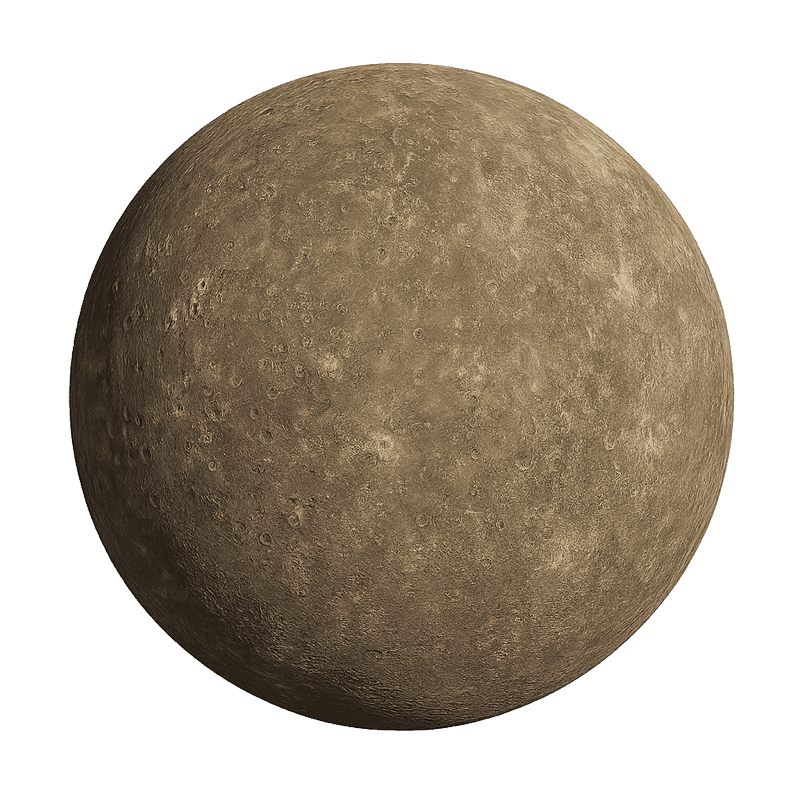
Mercury
La plus petite planète et la plus proche du Soleil, avec des journées brûlantes et des nuits glaciales.
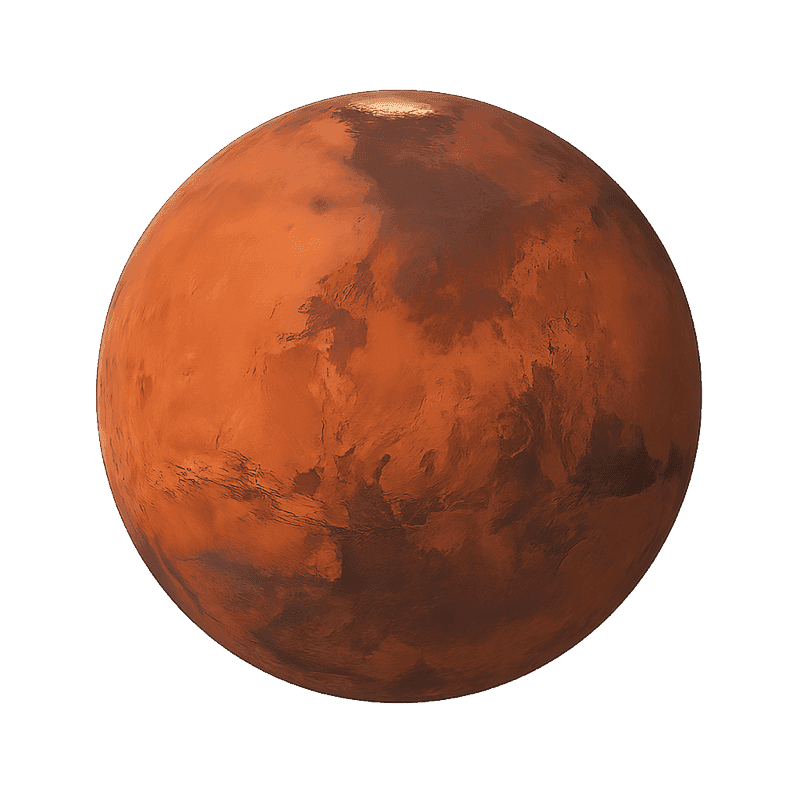
Mars
La planète rouge — un monde désertique froid et poussiéreux qui a peut-être abrité d'anciennes rivières et lacs.
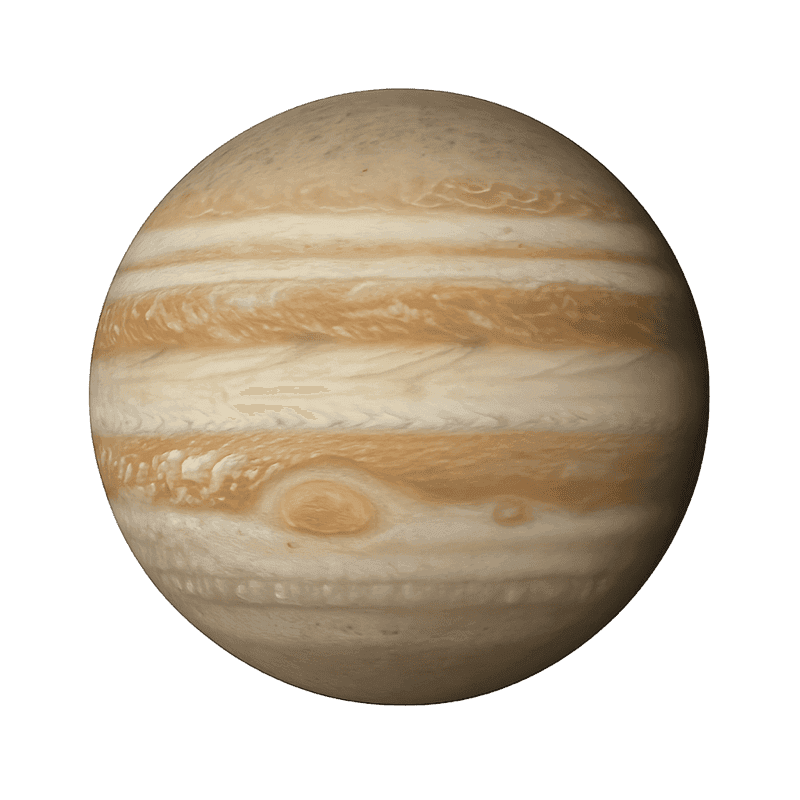
Jupiter
Le roi des planètes — un colossal géant gazeux dont la Grande Tache Rouge fait rage depuis des siècles.
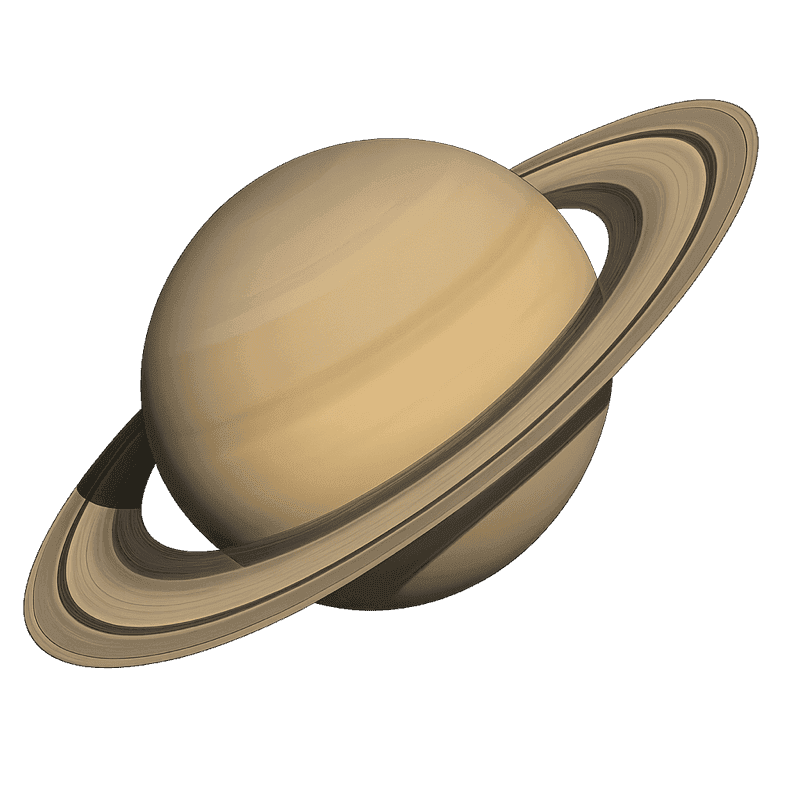
Saturn
Le joyau du système solaire — un majestueux géant gazeux orné d'anneaux spectaculaires.
Articles et guides associés
Explore notre catalogue complet sur la page planètes. Tu peux aussi acheter une étoile comme cadeau. Découvre ce qu'est une exoplanète ou apprends l'observation des étoiles. Plein de faits sur le système solaire. Découvre si Pluton est une planète. Découvre combien de planètes existent au total. Toutes tes questions ? Direction la FAQ.
Questions fréquentes
Quelles sont les 8 planètes dans l'ordre depuis le Soleil ?
Mercure, Vénus, Terre, Mars, Jupiter, Saturne, Uranus, Neptune. Moyen mnémotechnique : « Me Voici Tout Mouillé, J'ai Suivi Un Nuage. »
Pourquoi Pluton n'est plus une planète ?
En 2006, l'Union astronomique internationale a défini trois critères pour être une planète. Pluton en remplit deux mais ne « nettoie » pas son voisinage orbital, donc elle a été reclassée comme planète naine.
Quelle est la plus grosse planète du système solaire ?
Jupiter, avec un diamètre d'environ 139 820 km. On pourrait y faire rentrer plus de 1 300 Terres.
Quelle planète est la plus proche de la Terre ?
En moyenne, Mercure est plus souvent la planète la plus proche de la Terre parce qu'elle reste près du Soleil. Mais Vénus fait l'approche la plus rapprochée, à environ 38 millions de km.
Peut-on nommer une planète d'après quelqu'un ?
Pas officiellement via l'UAI, mais des services comme BuyMyPlanet proposent des certificats de nomination symbolique liés à de vraies planètes avec des données NASA, coordonnées et paramètres orbitaux pour 24,99 $.
Tu te poses des questions ?
Tout ce qu'il faut savoir sur l'achat d'une planète
Alors voilà le truc : c'est de la propriété symbolique. Personne ne peut légalement posséder une planète (il y a d'ailleurs un traité de l'ONU là-dessus). Mais ce que tu reçois, c'est un super certificat personnalisé avec de vraies données astronomiques et un numéro unique. Pense à ça comme le cadeau le plus original que tu puisses faire.
Le vrai nom de la planète, le nom personnalisé du propriétaire, un message perso si tu veux, un numéro d'enregistrement unique et la date. C'est assez beau pour être encadré et accroché au mur.
Il arrive dans ta boîte mail en PDF quelques minutes après l'achat. Tu peux l'imprimer chez toi, aller dans un magasin photo pour une version plus classe, ou juste le partager en ligne. Facile.
Les gens deviennent fous. On a vendu plus de 3 247 planètes et on reçoit régulièrement des messages de gens qui disent que c'est le meilleur cadeau qu'ils aient jamais reçu. Ça marche pour les anniversaires, la Saint-Valentin, Noël, les mariages, les naissances... à peu près toutes les occasions.
À 100%. Chaque planète de notre catalogue est un vrai corps céleste découvert par la NASA, l'ESA ou d'autres agences spatiales. On n'invente rien. Les données sur ton certificat viennent de découvertes scientifiques confirmées.
Pas de souci. Tu as 30 jours pour changer d'avis. Envoie juste un mail à ethan@buymyplanet.com et on s'en occupe.
Oui ! On vend des planètes et des étoiles. Les étoiles, c'est classique et toujours aussi magique. Les planètes, ce sont des mondes entiers avec leurs propres caractéristiques et histoires. Les deux viennent avec un certificat personnalisé et de vraies données astronomiques. Choisis ce qui te plaît, ou prends les deux.
Oui ! Chaque certificat a son propre numéro d'enregistrement unique. C'est comme nommer une étoile. La propriété est personnelle, et ton certificat est unique en son genre.
Pour l'instant on fait des certificats PDF numériques instantanés. Tu peux les imprimer chez toi ou dans n'importe quel magasin photo. On travaille sur des versions encadrées qui seront livrées chez toi. Ça arrive bientôt.
Complètement. La propriété symbolique de planètes, c'est un cadeau de fantaisie, un peu comme les services qui nomment des étoiles. Le Traité de l'Espace de 1967 dit qu'aucun pays ne peut revendiquer une planète, mais les certificats personnalisés sont tout à fait légaux. C'est un cadeau apprécié dans le monde entier.
Donne ton nom à une planète
Choisis ta planète préférée et mets-y ton nom. Données NASA réelles, coordonnées exactes, 24,99 $. Livraison numérique instantanée.
Digital product. Symbolic ownership certificate.