Stargazing for Beginners: How to Read the Night Sky
You don't need a telescope. You don't need an app. You don't even need to leave your backyard. Stargazing for beginners starts with one thing: looking up. On a clear night, your naked eyes can spot about 2,500 stars, five planets, the Milky Way, and occasionally a meteor streaking across the sky. This guide covers everything you need to get started tonight.
Why Stargazing Is Worth Your Time
Forget the Instagram posts of deep-space nebulae shot through $10,000 telescopes. Real stargazing is quieter than that. It's stepping outside after dinner and noticing Jupiter hanging bright above the treeline. It's realizing that the "star" you've been looking at for years is actually Mars. It's lying on a blanket in August and watching the Perseid meteors without saying a word. People have been doing this for 10,000 years. No subscription required.
Stargazing Without a Telescope: What Your Eyes Can See
Your eyes are better stargazing tools than you think. After about 20 minutes in darkness, your pupils dilate fully and you enter "dark adaptation" mode. Suddenly the sky goes from a handful of bright dots to thousands of stars. Here's what you can spot without any equipment: the five visible planets (Mercury, Venus, Mars, Jupiter, Saturn), the Milky Way band stretching overhead, the Andromeda Galaxy (yes, a whole galaxy, 2.5 million light-years away), meteor showers, the International Space Station passing overhead, and satellites gliding silently across the sky. The trick is patience. Give your eyes 20 minutes without looking at your phone.
Best Time for Stargazing: When to Go Outside
Timing matters more than equipment. The best stargazing happens during a new moon, when the sky is darkest. A full moon washes out all but the brightest stars. Check a moon phase calendar before planning a session. The hours between 10 PM and 2 AM tend to work best because the atmosphere has settled after sunset. Winter months actually offer the clearest skies in many regions because cold air holds less moisture. Summer has its perks too: warmer nights, the Milky Way overhead, and the Perseid meteor shower in August. Spring and fall bring their own constellations. There's always something to see if you pick the right night.
How to Find Planets in the Night Sky
Planets don't twinkle. Stars do. That's the fastest way to tell them apart. Stars are so far away that their light gets distorted by Earth's atmosphere, causing that familiar twinkling effect. Planets are close enough that their light stays steady. Venus is the easiest planet to find. It's the brightest object in the sky after the Sun and Moon, and it appears near the horizon just after sunset or just before sunrise. Jupiter is the second brightest planet and often visible most of the night. Saturn looks like a slightly yellowish steady star. Mars has an obvious orange-red tint. Mercury is tricky because it stays close to the Sun and only appears briefly at dusk or dawn. You don't need an app to find them, but one helps until you learn the patterns.
10 Easiest Constellations for Beginners
Start with these ten and you'll have a mental map of the sky within a few weeks. Orion: the three-star belt is impossible to miss in winter. Look for Betelgeuse (red, top left) and Rigel (blue, bottom right). Ursa Major: the Big Dipper is its most famous part. Follow the two pointer stars at the end of the dipper's bowl to find Polaris, the North Star. Cassiopeia: a bright W shape that sits opposite the Big Dipper across Polaris. Leo: find the backwards question mark shape in spring. Scorpius: the red supergiant Antares marks its heart in summer. Cygnus: the Northern Cross, high overhead in summer. Lyra: small but bright, anchored by Vega. Gemini: twin bright stars Castor and Pollux, best in winter. Taurus: follow Orion's belt to the right to find the red eye of the bull, Aldebaran. Canis Major: follow Orion's belt down-left to find Sirius, the brightest star in the sky.
Stars in the Night Sky: What You're Actually Looking At
Every star you see is a sun. Some are bigger, some smaller, some hotter, some cooler. The colors tell you their temperature. Blue-white stars like Rigel are the hottest, around 11,000 degrees Celsius. Yellow stars like our Sun sit around 5,500 degrees. Red stars like Betelgeuse are the coolest of the visible ones at about 3,500 degrees, but they're often physically enormous. Betelgeuse is so big that if you put it where our Sun is, it would swallow Mars. The brightest star in the night sky, Sirius, is only 8.6 light-years away. That means the light hitting your eyes left Sirius about 8.6 years ago. When you look at the Andromeda Galaxy, you're seeing light that left 2.5 million years ago. Stargazing is literally time travel.
Stargazing Equipment for Beginners: What's Actually Worth Buying
Start with nothing. Seriously. Spend a few weeks learning the sky with your eyes before buying gear. When you're ready, binoculars are the best first purchase. A pair of 10x50 binoculars (10x magnification, 50mm lens) costs $50-$150 and shows you craters on the Moon, Jupiter's four largest moons, star clusters, and the Andromeda Galaxy in more detail. A red flashlight (or a phone with a red filter) preserves your dark adaptation while you check star charts. A simple planisphere (rotating star chart) costs about $10 and works without batteries. Skip the cheap department store telescope. A $50 telescope will frustrate you. If you eventually want a telescope, budget at least $200-$300 for something usable. But honestly, binoculars will keep you happy for a long time.
Best Stargazing Apps and Star Charts
Apps like Stellarium (free, available on every platform) turn your phone into a live sky map. Point it at the sky and it labels everything you see. Sky Map (Android) and Sky Guide (iOS) do the same thing. The key tip: use these apps in night mode (red screen) so you don't destroy your dark adaptation. For planning, check websites like timeanddate.com for moonrise and moonset times, planet visibility, and meteor shower dates. Clear Outside and Astrospheric show cloud forecasts specifically for astronomers. If you want to go old school, a printed planisphere for your latitude never runs out of battery.
Light Pollution: How to Find Darker Skies
Light pollution is the biggest enemy of stargazing. From a city center, you might see 20-50 stars. From a truly dark site, that number jumps to 2,500 or more, plus the Milky Way. You don't have to drive hours to improve your view. Even 20-30 minutes outside a city makes a huge difference. Parks, lakes, and rural roads work well. The International Dark-Sky Association maintains a list of certified dark sky parks and reserves around the world. Bortle Scale measures sky darkness from 1 (pristine) to 9 (city center). Most suburbs sit around Bortle 5-7. Getting to a Bortle 3-4 site transforms stargazing from a nice hobby into a jaw-dropping experience. Even from light-polluted areas, you can still see the Moon, planets, and the brightest stars and constellations.
Meteor Showers and Special Events Worth Watching
Meteor showers happen when Earth passes through debris trails left by comets. The best ones are predictable and happen every year. The Perseids (mid-August) produce 50-100 meteors per hour and happen during warm summer nights. The Geminids (mid-December) are actually the strongest shower with up to 150 meteors per hour, but the cold keeps some people inside. The Quadrantids (early January) can be intense but peak for only a few hours. The Leonids (mid-November) occasionally produce meteor storms with thousands per hour, though not every year. For all meteor showers, no equipment needed. Lie on your back, look straight up, and let your peripheral vision do the work. Give yourself at least an hour. Beyond showers, watch for lunar eclipses (visible to the entire night side of Earth), planetary conjunctions (when planets appear close together), and the ISS, which passes over most locations several times a week.
Stargazing Safety Tips and Practical Advice
Bring layers. Temperatures drop fast after sunset, even in summer. A blanket or reclining chair beats standing with your neck craned. Bug spray helps during warm months. Tell someone where you're going if you're heading to a remote spot. Bring a charged phone for emergencies (keep it in your pocket to preserve dark adaptation). Avoid using white lights. If you drive to a dark site, wait 20 minutes after turning off headlights before expecting to see much. And here's a tip most guides skip: go with someone. Stargazing alone is peaceful, but sharing it makes it memorable. Teaching a friend to find Orion or watching their face when they see Saturn's rings through binoculars for the first time is pretty special.
Make the Night Sky Personal: Name a Star or Planet
Once stargazing clicks, the sky starts to feel like yours. You recognize constellations like old friends. You check on Jupiter like a neighbor. If you want to take that connection further, services like BuyMyPlanet let you symbolically name a planet ($24.99) or a star ($29.99) after someone you care about. You get a certificate with real NASA data, orbital parameters, and coordinates. It's not official IAU naming, but it's a genuine way to tie a person to a specific point in the sky. Imagine pointing up during a stargazing session and saying "that one's named after you." Instant digital delivery means you can do it right before your next stargazing night.
Stars to spot tonight
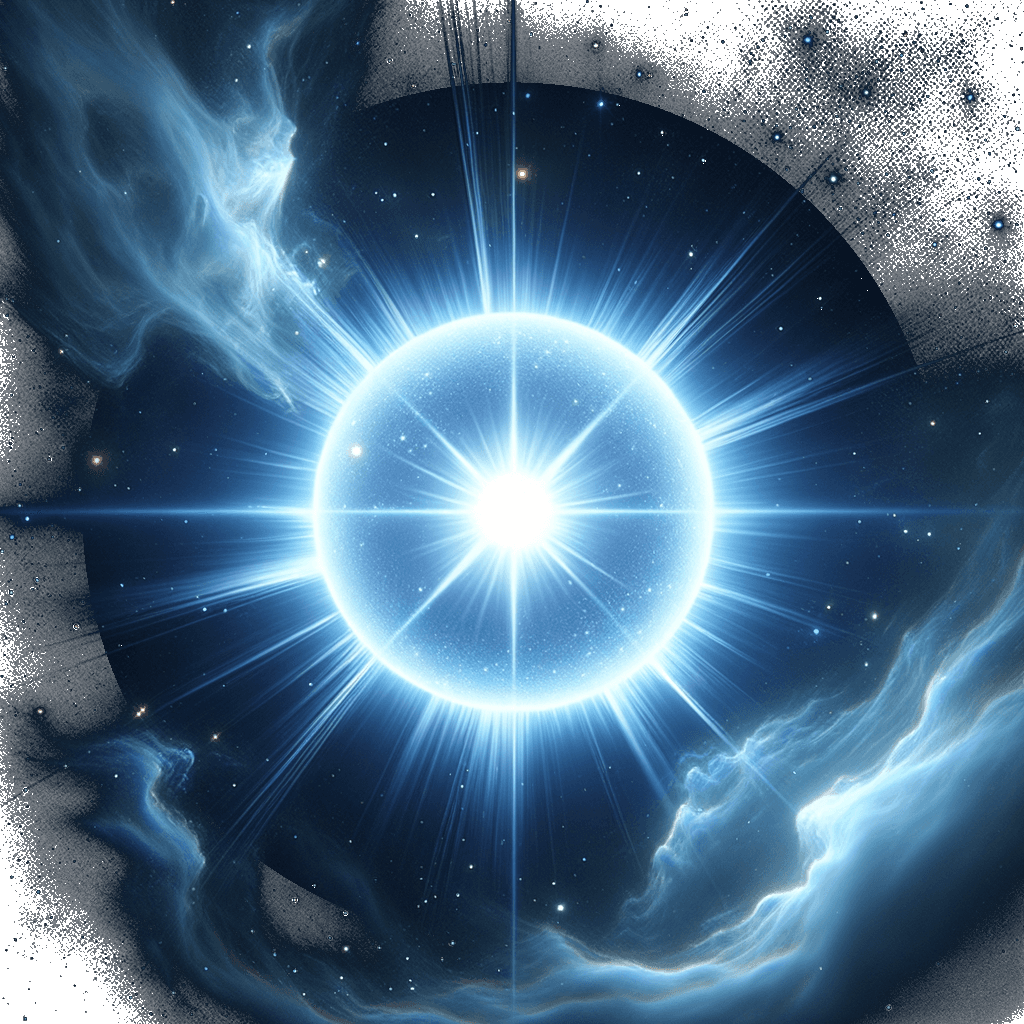
Sirius
The brightest star in the night sky. Sirius is a dazzling blue-white star just 8.6 light-years away. Ancient Egyptians built their calendar around it.
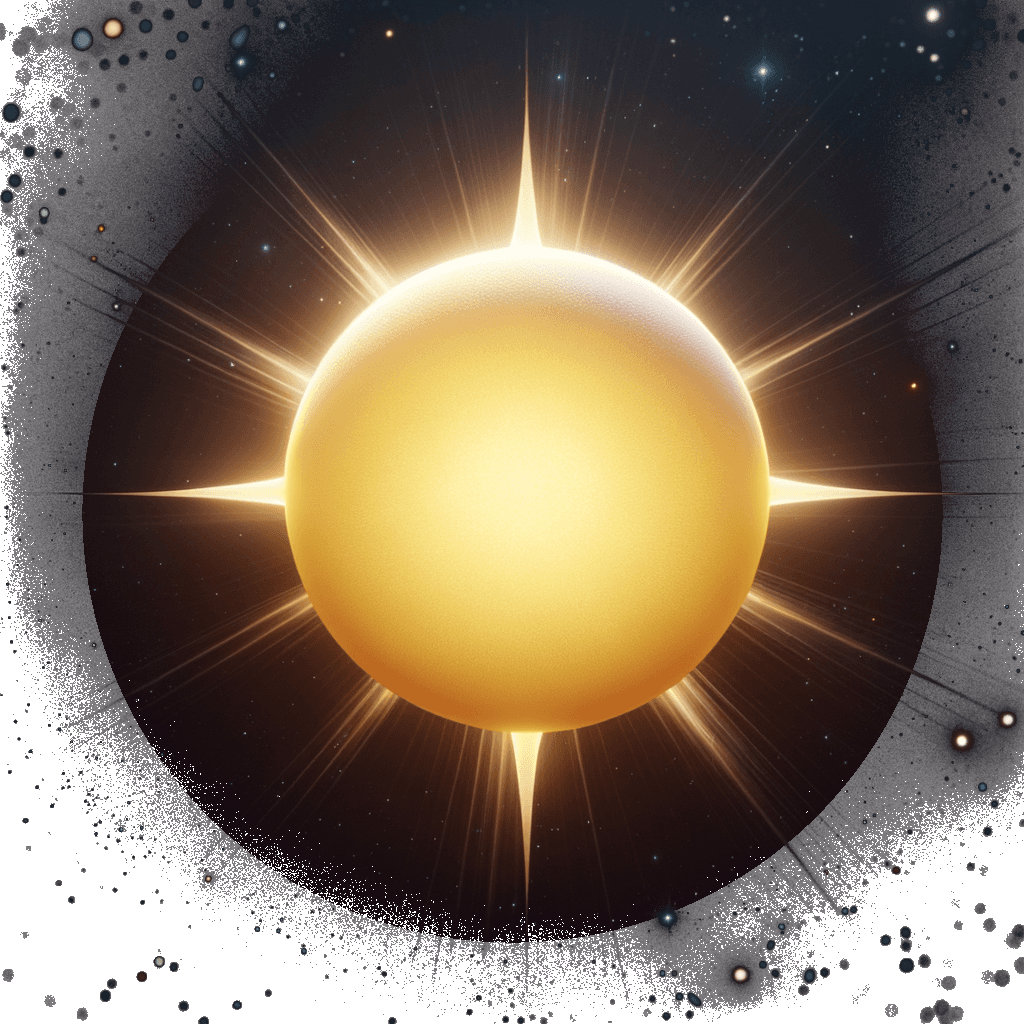
Polaris
The North Star. For centuries, sailors and explorers used Polaris to find their way. It sits almost perfectly above Earth's north pole.
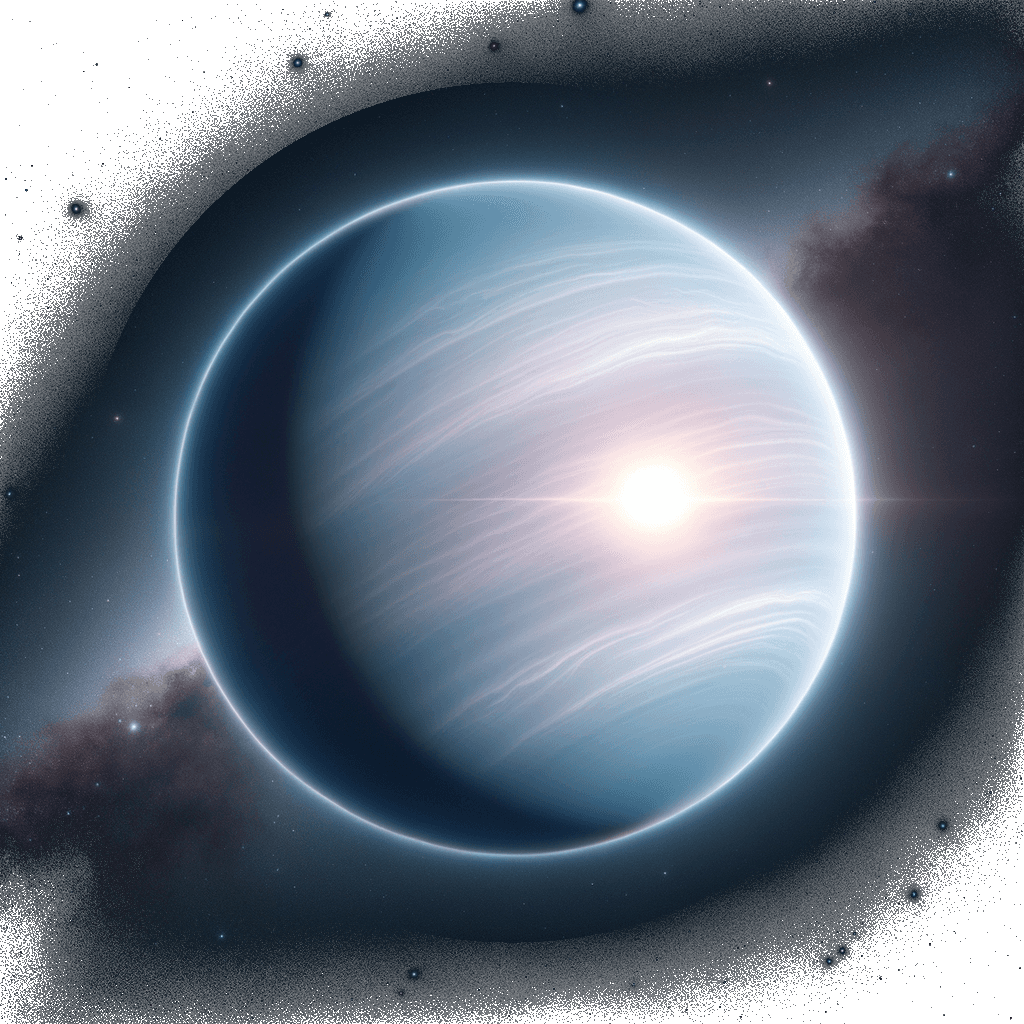
Vega
One of the brightest stars you can see from Earth. Vega was the first star ever photographed (back in 1850) and the first to have its spectrum recorded.
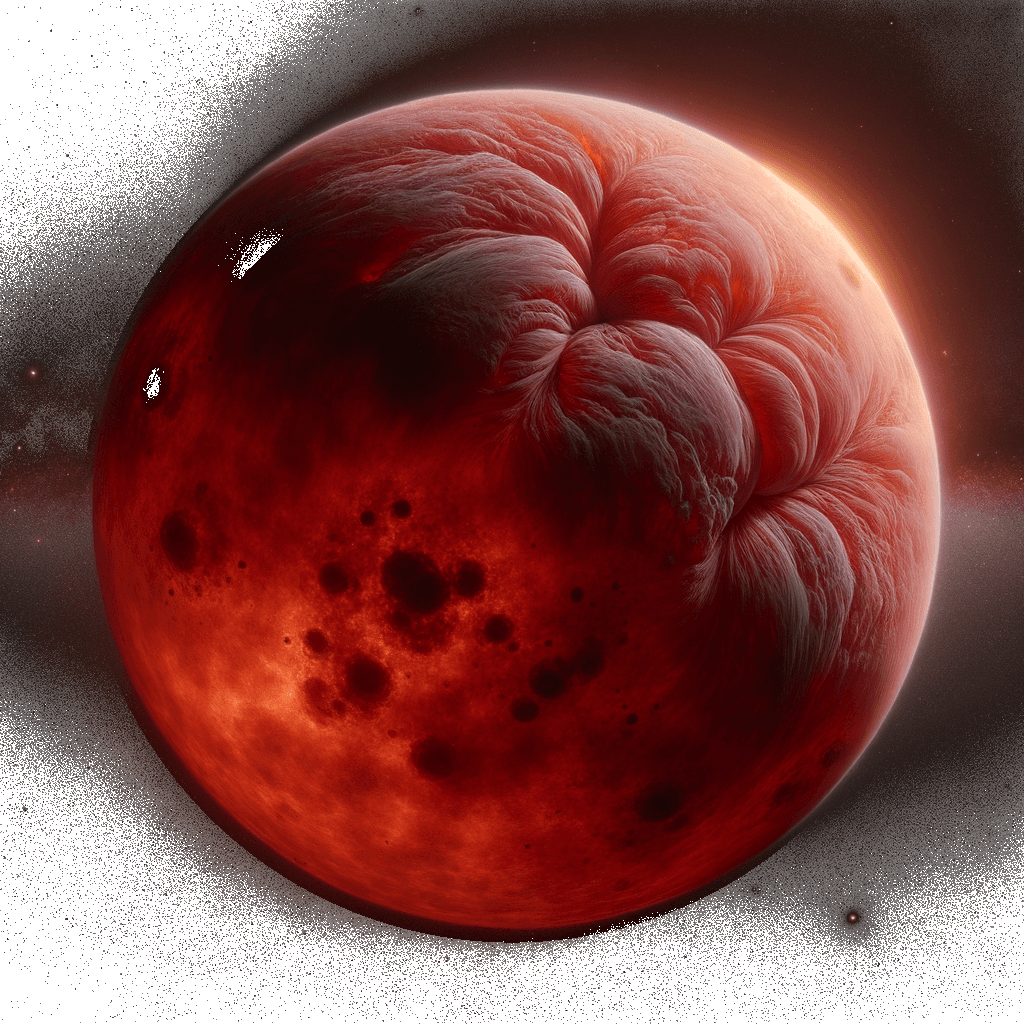
Betelgeuse
A red supergiant that could explode as a supernova any day now. Betelgeuse is so massive that if it replaced our Sun, it would swallow Mars.
Related guides & articles
Check out our guide to the brightest stars in the sky. Explore our planets page or learn all 8 planets in order. You can also buy a star as a gift. Learn all 88 constellation names and the zodiac constellations. Curious about how stars are named? We have a full guide. Learn how big the universe is. Explore the different types of stars in the universe. Find out what a shooting star really is. Also check our stargazing without a telescope guide. Discover what a nebula is and why they glow. Got questions? Visit our FAQ.
Frequently asked questions
Do I need a telescope to start stargazing?
No. Your eyes can see about 2,500 stars, five planets, the Milky Way, meteor showers, and satellites. Start with just your eyes for a few weeks. When you're ready for more, 10x50 binoculars ($50-$150) are a better first purchase than a cheap telescope.
What is the best time of year for stargazing?
Every season has something worth seeing. Winter offers the clearest skies and Orion. Summer brings the Milky Way overhead and the Perseid meteor shower. The best single factor is moon phase: aim for nights around the new moon when the sky is darkest.
How do I tell planets from stars?
Planets don't twinkle. Stars do. Planets also tend to be brighter than most stars and appear along the ecliptic, the same path the Sun and Moon follow across the sky. Venus and Jupiter are the two brightest and easiest to identify.
Can I stargaze from a city?
Yes, with limits. You can always see the Moon, planets, and the brightest constellations from a city. Driving just 20-30 minutes outside town dramatically improves the view. For the Milky Way and faint objects, you'll need a Bortle 4 or darker site.
What are the easiest constellations to find?
Start with the Big Dipper (part of Ursa Major). Its pointer stars lead to Polaris. From there, find Cassiopeia opposite the Big Dipper. In winter, Orion's belt is unmistakable. In summer, look for the Summer Triangle formed by Vega, Deneb, and Altair.
Got Questions?
Here's everything you need to know about buying a planet
Here's the deal: this is symbolic ownership. Nobody can legally own a planet (there's actually a UN treaty about it). But what you DO get is a gorgeous personalized certificate with real astronomical data and a unique registration number. Think of it as the most original gift you can possibly give someone.
The planet's real name, your personalized owner name, a custom message if you want one, a unique registration number, and the date. It's designed to look premium enough to frame and hang on a wall.
It shows up in your email as a PDF within a few minutes of buying. You can print it at home, take it to a print shop for a nicer version, or just share it digitally. Simple.
People go crazy for it. We've sold over 3,247 planets so far and we get messages all the time from people saying it's the best gift they've ever received. It works for birthdays, Valentine's Day, Christmas, weddings, new babies... pretty much any occasion.
100%. Every planet in our catalog is a real celestial body discovered by NASA, ESA, or other space agencies. We don't make anything up. The data on your certificate comes from confirmed scientific discoveries.
No problem. You've got 30 days to change your mind. Just email us at ethan@buymyplanet.com and we'll sort it out.
Yes! We sell both planets and stars. Stars are beautiful and classic. Planets are full worlds with their own characteristics, categories, and stories. Both come with a personalized certificate and real astronomical data. Pick what fits best, or get both.
Yep! Each certificate gets its own unique registration number. It's like naming a star. The ownership is personal to you, and your certificate is one of a kind.
Right now we do instant digital PDF certificates. You can print them at home or at any print shop. We're working on framed physical versions that'll ship to your door. Stay tuned.
Totally. Symbolic planet ownership is a novelty gift, kind of like star naming services. The 1967 Outer Space Treaty says no country can claim a planet, but personalized certificates are perfectly fine. It's a beloved gift worldwide.
Give Someone a Star in the Sky
Know someone who'd love stargazing? Name a planet or star after them. Real NASA data, instant digital delivery, $24.99. A gift they'll point to every clear night.
Digital product. Symbolic ownership certificate.